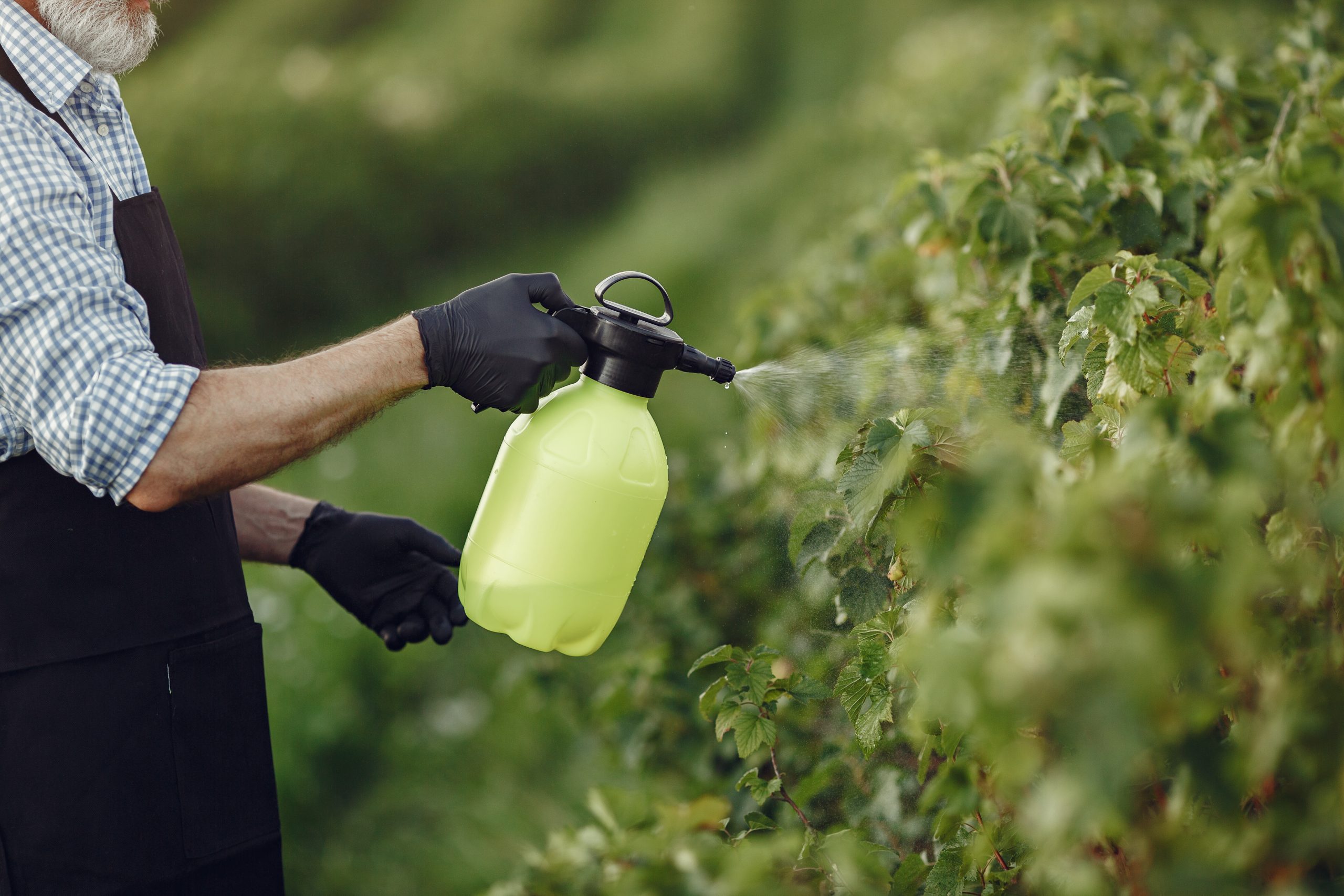
Choosing the right fertilizer is one of the most important decisions a farmer or gardener can make. The correct fertilizer improves plant growth, boosts yield, enhances crop quality, and protects long-term soil health. On the other hand, the wrong fertilizer can waste money, damage crops, and reduce soil fertility.
If you’re wondering how to choose the right fertilizer for different crops, this guide will walk you through everything you need to know from understanding crop nutrient needs to selecting fertilizers based on soil type, climate, and growth stage.
Why Choosing the Right Fertilizer Matters
Every crop has unique nutritional requirements. Applying a single fertilizer for all crops often leads to nutrient imbalance and poor performance.
Choosing the correct fertilizer helps:
- Improve crop yield and quality
- Ensure efficient nutrient uptake
- Prevent nutrient deficiencies and toxicities
- Maintain healthy soil structure
- Reduce unnecessary fertilizer costs
Smart fertilizer selection is the foundation of sustainable and profitable farming.
Start with Soil Testing Before Choosing Fertilizer
The first step in choosing the right fertilizer is understanding your soil. Soil testing reveals nutrient levels, pH, salinity, and organic matter content.
Why Soil Testing Is Essential
- Identifies nutrient deficiencies
- Prevents over-fertilization
- Improves fertilizer efficiency
- Protects soil health
Without soil testing, fertilizer selection becomes guesswork rather than precision management.
Understanding NPK: The Core of Fertilizer Selection
Most fertilizers are labeled with three numbers known as the NPK ratio.
- N (Nitrogen): Promotes leafy growth and green color
- P (Phosphorus): Supports root development and flowering
- K (Potassium): Improves plant strength, fruit quality, and stress resistance
Different crops and growth stages require different NPK ratios, making this information critical when choosing fertilizer.
How to Choose Fertilizer for Different Crop Types
1. Fertilizer for Leafy Vegetables
Leafy vegetables such as lettuce, spinach, cabbage, and herbs require higher nitrogen for healthy leaf development.
- Recommended: High-nitrogen fertilizers
- Example ratios: 20-10-10, 30-10-10
- Organic options: Compost, well-rotted manure
Avoid excessive nitrogen late in the season, as it may reduce flavor and shelf life.
2. Fertilizer for Root Crops
Root crops like carrots, potatoes, onions, and beets need strong root development rather than excessive foliage.
- Recommended: Moderate nitrogen, higher phosphorus
- Example ratios: 10-20-10, 5-15-15
Too much nitrogen can result in large leaves but poor root formation.
3. Fertilizer for Fruiting Crops
Fruiting crops such as tomatoes, peppers, cucumbers, and eggplants require balanced nutrition with extra potassium.
- Recommended: Balanced or high-potassium fertilizers
- Example ratios: 10-10-20, 15-15-30
Potassium improves fruit size, color, taste, and disease resistance.
4. Fertilizer for Fruit Trees
Fruit trees have long-term nutrient requirements and benefit from slow-release fertilizers.
- Recommended: Balanced NPK with micronutrients
- Organic options: Compost, manure, bio-fertilizers
Over-fertilizing fruit trees can cause excessive vegetative growth and reduced fruiting.
5. Fertilizer for Cereals and Grains
Crops like wheat, rice, maize, and barley require nitrogen during early growth and balanced nutrients later.
- Recommended: Split nitrogen applications
- Example ratios: 20-20-20 during early stages
Timing fertilizer application is just as important as choosing the right product.
Consider Crop Growth Stage When Selecting Fertilizer
Crop nutrient requirements change as plants grow.
- Early growth: Higher nitrogen and phosphorus
- Flowering stage: Balanced nutrients
- Fruiting stage: Higher potassium
Using stage-specific fertilizers improves nutrient use efficiency and yield.
Organic vs Chemical Fertilizers: Which Should You Choose?
Chemical Fertilizers
- Fast nutrient availability
- Precise nutrient control
- Quick visible results
Organic Fertilizers
- Improve soil structure
- Enhance microbial activity
- Release nutrients slowly
The best approach is often a combination of both for sustainable crop nutrition.
Importance of Micronutrients in Fertilizer Selection
Micronutrients such as iron, zinc, manganese, boron, and copper are required in small amounts but are essential for plant metabolism.
Common signs of micronutrient deficiency include:
- Yellowing leaves
- Poor flowering
- Stunted growth
Always check fertilizer labels for micronutrient content, especially in alkaline soils.
Choosing Fertilizer Based on Soil Type
Soil type affects how nutrients are retained and absorbed.
- Sandy soils: Use slow-release fertilizers and organic matter
- Clay soils: Avoid over-fertilization
- Loamy soils: Balanced fertilizers work best
Matching fertilizer to soil type improves efficiency and reduces nutrient loss.
Common Mistakes to Avoid When Choosing Fertilizer
- Ignoring soil test results
- Using one fertilizer for all crops
- Over-fertilizing for quick results
- Ignoring crop growth stage
- Not considering climate conditions
Avoiding these mistakes saves money and protects crops.
Tips for Smarter Fertilizer Selection
- Read fertilizer labels carefully
- Apply fertilizers at the right time
- Use split applications where possible
- Maintain fertilizer application records
Smart fertilizer choices lead to healthier plants and better harvests.
Final Thoughts: The Right Fertilizer Makes All the Difference
Understanding how to choose the right fertilizer for different crops is essential for maximizing yield, improving crop quality, and maintaining long-term soil health.
Rather than relying on a single product, successful farmers tailor fertilizer choices based on crop type, soil condition, and growth stage.
When fertilizers are chosen wisely, both crops and soil thrive together.
Frequently Asked Questions (FAQs)
How do I choose the right fertilizer for my crop?
To choose the right fertilizer for your crop, start with a soil test to understand nutrient deficiencies. Then match the fertilizer’s NPK ratio to the crop type, growth stage, and soil condition. Leafy crops need more nitrogen, root crops need phosphorus, and fruiting crops benefit from higher potassium.
Is soil testing necessary before applying fertilizer?
Yes, soil testing is essential before applying fertilizer. It helps determine nutrient levels, soil pH, and organic matter content, allowing you to apply the correct type and amount of fertilizer while avoiding overuse or nutrient imbalance.
What is the best fertilizer for vegetables?
The best fertilizer for vegetables depends on the type of vegetable. Leafy vegetables require high-nitrogen fertilizers, root vegetables benefit from phosphorus-rich fertilizers, and fruiting vegetables perform best with balanced or potassium-rich fertilizers.
Can I use the same fertilizer for all crops?
No, using the same fertilizer for all crops is not recommended. Different crops have different nutrient requirements, and a single fertilizer may cause nutrient deficiency or excess, leading to reduced yield and soil health issues.
What does NPK mean on fertilizer labels?
NPK represents nitrogen (N), phosphorus (P), and potassium (K). These are the three primary nutrients plants need for growth. The numbers on fertilizer labels show the percentage of each nutrient present in the fertilizer.
Are organic fertilizers better than chemical fertilizers?
Organic fertilizers improve soil structure and microbial activity, while chemical fertilizers provide quick nutrient availability. The best approach is often a balanced combination of both to achieve sustainable crop nutrition and long-term soil health.
When is the best time to apply fertilizer?
The best time to apply fertilizer is during the active growth stages of crops. Early growth requires nitrogen and phosphorus, while flowering and fruiting stages benefit from potassium. Avoid fertilizing during extreme heat or heavy rainfall.
Do crops need micronutrients?
Yes, crops need micronutrients such as iron, zinc, boron, and manganese in small amounts. Micronutrient deficiencies can cause yellowing leaves, poor flowering, and stunted growth, even if major nutrients are sufficient.
How can I avoid over-fertilizing my crops?
To avoid over-fertilizing, follow soil test recommendations, use split fertilizer applications, measure fertilizer accurately, and avoid applying more fertilizer than recommended for your crop and soil type.
Does soil type affect fertilizer choice?
Yes, soil type plays a major role in fertilizer selection. Sandy soils require slow-release fertilizers, clay soils need careful application to prevent nutrient buildup, and loamy soils generally respond well to balanced fertilizers.
Leave a Reply