Author: Mustashar Team

  • UAE Farming: Mastering Arid Climate Solutions and Desert Agriculture

    UAE Farming: Mastering Arid Climate Solutions and Desert Agriculture

    For a time, people thought it was impossible to have a strong farming sector in the United Arab Emirates. This was because the UAE has sand dunes, extremely hot summers that can go over 50 degrees Celsius, and very little rain, with an average of less than 100mm per year. These conditions made it seem like growing food locally would not work. Things are changing fast. The UAE is now using high-tech farming to grow its food. This is not a pastime for people who like gardening; It is a key part of the country’s plans to be more secure. The UAE farming industry is really taking off. Farmers in the UAE are using technology to grow food. This helps the country rely less on imports and be more independent. The government sees farming as crucial for the UAE’s future.

    So the UAE is investing in farming. Making it a priority. This way, the country can have a food supply. It also helps to create jobs and boost the economy. The UAE wants to be a leader in high-tech farming. It is working hard to make that happen.

    In this guide, we look at the types of farming that are changing the Middle Eastern landscape. We see what is new in farming in the desert and what people are doing to deal with the climate. We find out how the UAE is making its dry land good for growing food in a way that’s good for the environment, using things that work well locally and the latest technology. The Middle Eastern landscape is being defined by these agricultural subcategories, and the UAE is making a big change.

    The Reality of Arid Farming in the UAE

    To understand how farming works in the UAE, you have to consider the challenges of the environment. Unlike places like Europe or the Americas, UAE farmers have to deal with dry conditions. The soil is sand, which means it can’t hold much water and is often salty.

    Just because it’s dry doesn’t mean it’s dead. The local environment has always been home to plants like the Ghaf tree and other shrubs that can survive with water. Modern farming in areas looks at these plants and uses their strengths to grow crops. By focusing on growing crops that don’t need water but still produce a lot, farmers in the UAE are choosing crop types that can handle the heat and don’t need much water.

    Soil Health and Salinity Management

    One of the problems in dry areas is soil salinization. When water evaporates fast in the heat, it leaves behind salt that hurts plant roots. Local experts are now using biosaline agriculture. This means growing crops that can handle salt, like some kinds of quinoa, dates, and certain types of animal food. These crops do well in water that’s a little salty.

    Desert Agriculture: Turning Sand into Gold

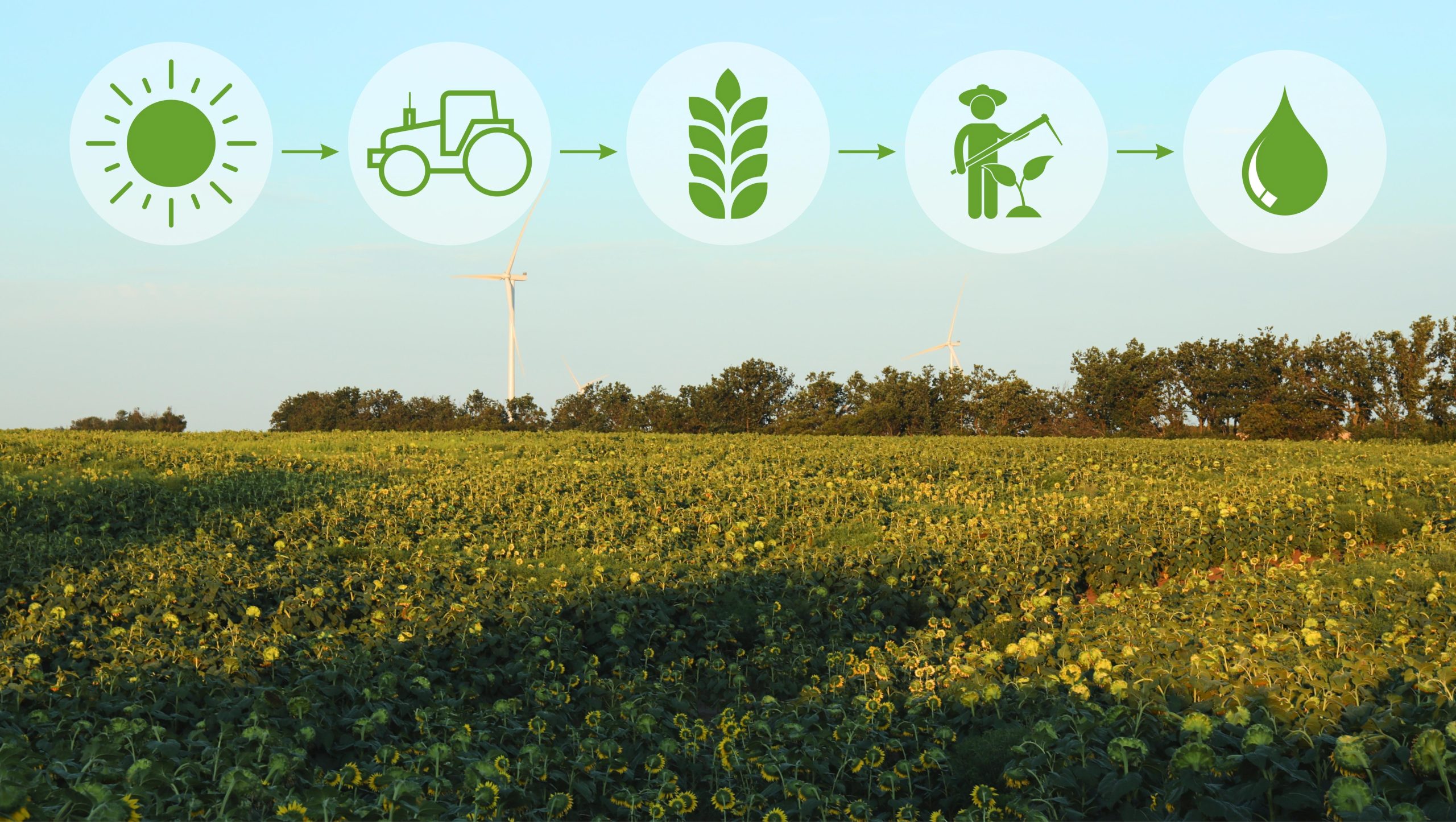
    Desert agriculture in the United Arab Emirates has changed a lot over time. It used to be about traditional palm groves. Now we have what we call Smart Farms. The idea here is not to try to change the desert. Instead, we work with what the desert has to offer. For example, we get a lot of sunlight in the desert. This is usually a problem for plants that grow outside. Now we are using this sunlight to our advantage. We use panels to get power for machines that remove salt from water and for systems that keep greenhouses cool.

    There is a technology that is really making a difference in the United Arab Emirates. This technology is called Liquid Nanoclay. A company from Norway called Desert Control made this technology. They tested it a lot in Dubai and Abu Dhabi. Liquid Nanoclay is a process. It puts a layer of clay around each grain of sand. This changes the sand into a soil that’s like a sponge. It holds onto water and nutrients. This means we do not need to use much water. We can use up to 50 percent water.



    Innovative Climate Solutions: The Rise of CEA

    As the climate changes around the world, the UAE is trying out ways to deal with it. The UAE is using itself as a test ground for climate solutions. The main part of this effort is Controlled Environment Agriculture, or CEA. Since the weather outside is often too harsh, the “environment” is moved indoors.

    1. Hydroponics and Aeroponics

    Hydroponics is a known method in the UAE. It grows plants in water that has the nutrients of soil. This helps farmers save a lot of water. Up to 90% compared to farming. Aeroponics is similar. Goes a step further. It sprays the roots of plants with nutrients. This method uses less water and helps plants grow faster.

    2. Vertical Farming: Bustanica and Beyond

    The UAE does not have land that can be used for farming. So the only way to grow more is to go up. The UAE has Bustanica, the world’s vertical farm, near Al Maktoum International Airport. These farms use LED lights to help plants grow. They make the light for plants to grow, so leafy greens, herbs, and strawberries can be grown all year round without using any pesticides.

    3. Greenhouse Cooling Technologies

    Standard greenhouses in the UAE would become ovens in July without cooling. Traditional evaporative cooling (using “fan and pad” systems) is being replaced by closed-loop systems and chilled-water circulation. These innovations ensure that the internal temperature remains a steady 22°C-25°C, even when the outside world is boiling.

    Local Best Practices: What Works on the Ground

    If you want to invest in or learn about farming in the UAE, there are some things to keep in mind for it to be successful. The International Center for Biosaline Agriculture and farming companies have figured these out over the years.

    Precision Irrigation: We do not use flood irrigation anymore. Now we use surface drip irrigation, which puts water right where the roots are. This way, we do not waste water. Every drop is used.

    Crop Selection: Farmers in the UAE are growing crops now. They are moving away from crops that need a lot of water, like alfalfa. Instead, they are growing crops that can handle conditions, like organic kale, tomatoes, and cucumbers in special greenhouses.

    Data-Driven Decisions: Farmers are using sensors to track the soil and air. These sensors tell them how much water is in the soil, how humid it is, and how much light the plants are getting. This information is sent to the farmer’s phone so they can take care of any problems before they hurt the crops.

    Regenerative Practices: Some farmers are raising animals and growing crops together. This helps create a system where everything works together. The animal waste is used to make compost, which makes the soil healthier and better for growing crops in the UAE farming system. UAE farming is getting better with these methods.

    Regional Subcategories: From Al Ain to Ras Al Khaimah

    While the UAE is a single nation, its agricultural subcategories vary by region:

    Al Ain: Known as the “Garden City,” Al Ain benefits from higher groundwater levels and a long history of Aflaj (traditional irrigation channels). It remains a hub for date palm cultivation and dairy farming.

    Abu Dhabi (Liwa & Western Region): This area is the frontline for desert agriculture research. Large-scale desert reclamation projects are common here, focusing on forestation and salt-tolerant forage.

    Ras Al Khaimah & Fujairah: These emirates have a slightly more temperate climate and hilly terrain. They are better suited for fruit trees (like citrus and mangoes) and have higher natural rainfall, making them vital for traditional open-field farming.

    The Road to 2051: UAE National Food Security Strategy

    The United Arab Emirates government has a plan: it wants to be number one in the Global Food Security Index by the year 2051. This is not something the government wants to do; it is something that really needs to happen. Now the United Arab Emirates gets about 80 to 90 percent of its food from other countries. To change this, the United Arab Emirates needs to do a lot more to grow its food.

    Some projects are supposed to help, like the Food Tech Valley in Dubai. This place is meant to bring in companies and researchers from all around the world. By creating a center for new farming ideas, the United Arab Emirates can share what it knows about growing food in the desert with other places that have similar problems, like some parts of Africa and the Mediterranean. The United Arab Emirates is good at growing food in the desert. It can help other countries that are facing the same issues.

    Conclusion: A Greener Future for the Desert

    The way farming in the UAE is changing is really amazing. People in the UAE are using desert farming. They are using new technology to deal with the weather. This is an example of how people can turn problems into new ideas. The UAE is using ideas like the Falaj systems and new ideas like vertical farms to show the world what can be done.

    As we go on, people will keep thinking about how to do things in a way that’s good for the earth. The main goal is to grow food with less water and energy. This means that people in the UAE will be able to eat food that is grown locally, no matter how hot it is outside. For people who invest money farmers and people who buy food the message is clear: the UAE farming is getting better and better. The UAE farming is just getting started. The UAE farming is really. This is only the beginning of the UAE farming.


    Frequently Asked Questions

    What are the main crops grown in the UAE?
    Dates are the primary crop, but the UAE now successfully grows tomatoes, cucumbers, leafy greens, strawberries, and even mushrooms using indoor farming techniques.

    Is UAE farming sustainable?
    Yes, modern methods like hydroponics and the use of solar energy are making UAE farming increasingly sustainable by drastically reducing water and carbon footprints.

    How does the UAE handle water scarcity for agriculture?
    The UAE uses a mix of desalinated water, treated sewage effluent (TSE) for non-edible crops, and highly efficient drip irrigation to manage its limited water resources.


     

  • Sustainable and Regenerative Agriculture: A Complete Guide to Future Farming

    Sustainable and Regenerative Agriculture: A Complete Guide to Future Farming

    Agriculture that is both sustainable and regenerative represents a significant shift in how we cultivate food and care for our land. These methods, in contrast to traditional farming methods, which frequently cause damage to the soil and ecosystems, work in conjunction with nature to restore the health of the environment while simultaneously maintaining the productivity of the land. This comprehensive guide provides information on what sustainable and regenerative agriculture is, why it is important, and how farmers can begin implementing these methods as soon as possible.

    What Is Sustainable and Regenerative Agriculture?

    Sustainable agriculture is a term used to describe the farming methods that are meant to serve the food needs of today without restricting the resources of future generations. It strikes a balance between three pillars, which include social responsibility, economic viability, and environmental stewardship.

    Regenerative agriculture builds on this concept. Instead of passively keeping the status quo, it actively rejuvenates the environment. It enhances water retention, improves biodiversity, enhances soil fertility, as well as replenishing soil organic matter. The most important distinction is that regenerative agriculture aims at restoring and healing the land to a better condition than it used to be.

    Why Sustainable and Regenerative Agriculture Matters

    Environmental Benefits

    Industrial agriculture is also a major cause of environmental degradation. Monoculture crop production destroys soil nutrients and decreases biodiversity as well as carbon emissions. Sustainable and regenerative agriculture overcome these issues by:

    Enhancing the health of the soil: Techniques such as cover cropping and minimal tillage enhance the soil organic matter, which enhances the efficiency of water and carbon.

    The minimization of the chemical input: It reduces the use of synthetic fertilizers and pesticides, and this safeguards the waterways and lessens the pollution of agriculture.

    Growing biodiversity: Different crop rotations and combined livestock systems provide better habitats for useful insects and wildlife.

    Reducing carbon footprint: Regenerative processes put carbon into the soil, reducing the effects of climate change.

    Economic Advantages

    While transitioning to sustainable farming requires initial investment, long-term economic benefits are substantial. Farmers experience reduced input costs through decreased fertilizer and pesticide purchases. Improved soil health leads to better crop yields and resilience during droughts or extreme weather. Premium markets increasingly reward sustainable and regenerative products, allowing farmers to command higher prices and access new revenue streams.

    Social and Health Impact

    Sustainable agriculture strengthens rural communities and improves public health. Reduced chemical exposure protects farm workers and nearby residents. Local food systems created through sustainable farming improve food security and strengthen community connections. Regenerative practices also support fair labor practices and equitable access to land and resources.

    Key Practices in Sustainable and Regenerative Agriculture

    Soil Health Management

    Healthy soil is the foundation of sustainable agriculture. Farmers improve soil health through:

    • Minimizing tillage: Reduced or no-till farming preserves soil structure and protects beneficial microorganisms
    • Cover cropping: Planting off-season crops prevents erosion, adds organic matter, and fixes nitrogen naturally
    • Composting and mulching: Adding organic material improves soil fertility and water-holding capacity
    • Crop rotation: Alternating different crops breaks pest cycles and balances soil nutrients naturally

    Integrated Pest Management (IPM)

    Although shifting to sustainable farming will need upfront capital, the payoffs will be high in the long-term. Farmers enjoy low costs of input due to low purchasing of fertilizers and pesticides. The health of the soil will be improved, and crops will be more productive and will be able to withstand droughts or severe weather conditions. Sustainable and regenerative products are gaining more and more popularity in premium markets, enabling farmers to earn more money and find new sources of income.

    Social and Health Impact

    Green agriculture enhances the rural areas and the health of the people. Less exposure to chemicals means protection of farm workers and the surrounding population. Sustainable food systems that are developed as a result of sustainable farming enhance community bonds and food security. Fair labor practices and fair access to land and resources are also propagated with the help of regenerative practices.

    Agroforestry and Biodiversity

    Planting trees in farms has several advantages. Agroforestry has the benefit of capturing carbon, avoiding erosion, offering shading to crops and animals, and offering habitats to useful species. Polyculture systems that intercrop with each other are a simulation of natural ecosystems and lessen the pest and disease pressure, as well as enhance soil health.

    Livestock Integration

    Regenerative grazing incorporates livestock in the farming systems to their advantage. Rotational grazing resembles the natural movement of the herds, which gives the pastures time to rest and restore soil. Livestock manure enhances the fertility of the soil, naturally bringing about soil fertility without the use of synthetic fertilizers. This combination establishes closed-loop systems in which waste is a resource.

    Implementing Sustainable and Regenerative Agriculture on Your Farm

    Step 1: Evaluate Your Current State of Affairs

    Start by assessing your soil health, water resources, pest pressure, and economic state of affairs. The soil testing offers baseline information about the extent of organic matter, the level of nutrients, and the activity of the microbes. Knowing where you begin would help determine which practices to use to offer the most benefits.

    Step 2: Be Small and Grow Progressively

    Do not set about to change your whole operation in one night. Start with small pilot projects, say 10-20 per cent of your land. This enables you to experiment, learn what it takes to work in your unique situation, and manage financial risk. Successes in these pilot regions create confidence and give information to support the implementation of sustainable practices.

    Step 3: Build Soil Health First

    Focus on soils as the base. Adopt cover cropping, less tilling, and incorporate organic matter. Healthy soil will increase the effectiveness of other practices and result in a virtuous cycle of improvement. The benefits of soil health are long-term; the changes are normally observed after 3-5 years, and the gains will be sustainable.

    Step 4: Diversify Your Crops

    Abandon monoculture, with crop rotation and polyculture in use. Diversity lowers pest pressure, diversification of risk, and increases soil health. It can also open speciality crop and organic product markets, which are high-end.

    Step 5: Connect with Resources and Community

    Become members of farm associations and non-governmental organizations practicing sustainable farming. Such communities develop knowledge-sharing, peer support, and technical help. Various areas have grants and cost-sharing schemes, which can be used to subsidize transition costs.

    Challenges and Solutions in Sustainable Agriculture

    The Transition Period

    Sustainability also requires a 2-3 year transition that can be characterized by a decrease in the yields as soil health is restored. The assistance of financial support with grants and higher prices of transitional products enables farmers to pass the storm. Ahead of schedule planning and financial reserves make the transition easy.

    Technical Barriers and Knowledge

    Farming is being sustainable and involves other skills and knowledge that are not similar to conventional agriculture. Education is offered by extension services, online resources, and farmer organizations. Experienced sustainable farmers serve as mentors in the acceleration of learning and the development of confidence.

    Market Access

    Sustainable products require proper markets for the farmers. This is direct sales to consumers via farmers’ markets and CSA programs, wholesale sales to restaurants and retailers, and certification programs (organic, regenerative, etc.), all of which offer market channels and frequently fixed prices.

    The Future of Sustainable and Regenerative Agriculture

    Agriculture is adopting practices that are more sustainable due to a number of factors such as impacts of climate change, the rising number of environmental regulations, and rising demands of consumers on environmentally friendly products. In the sustainable farming, examples of the technological developments that can enhance the profitability and productivity of the farming operation are tools of precision agriculture and soil sensors. Some large food corporations have committed to the use of sustainable products and this has led to an upsurge in investment in regenerative agriculture.

    The government is finding it easier to make policy decisions that favor sustainable agriculture through the provision of financial incentives, funds to conduct research, and through programs that offer technical support. According to these trends, it seems that sustainable and regenerative agriculture will only gain popularity in the next decades, and it will no longer be a specialty.

    Conclusion

    Not only does sustainable and regenerative agriculture produce an abundance of food, but it also improves the health of the environment and strengthens rural communities. This indicates that this type of agriculture is the future of farming. The shift requires patience and hard work, but it will have significant long-term benefits for farmers, consumers, and the environment. These benefits will be significant. Through the implementation of strategies such as crop diversity, integrated pest management, soil health management, and water conservation, farmers have the ability to establish businesses that are not only resilient and profitable but also work in harmony with nature.

    Your actions matter, regardless of whether you are a farmer who is considering making the switch or a consumer who is supporting sustainable agriculture by purchasing products associated with it. By cooperating with one another, we can establish a food system that is beneficial to the planet and the people who live on it

  • Pest and Disease Control: The Ultimate Guide to a Healthy Garden

    Pest and Disease Control: The Ultimate Guide to a Healthy Garden

    Creating a successful garden or farm involves more than just sunlight and water. Controlling pests and diseases is crucial for helping your plants thrive. Unwanted insects and fungi can significantly affect the health and productivity of your garden.

    This guide offers different strategies to help you identify, prevent, and manage common garden problems. You will find useful information about Integrated Pest Management (IPM), an approach that emphasizes balance and sustainability. It also shares organic solutions that use nature to protect your garden and maintain its ecological health. Apply these techniques to make your gardening experience productive and eco-friendly.

    Understanding Integrated Pest Management (IPM)

    Between seedlings, disease, pests, weeds, and all the rest, managing a garden or farm can be a big job. When you discover aphids or some dubious fungus, your instinct is often to reach for the most powerful pesticide on the market. But using chemical sprays as your first line of defense is like trying to fix a leaky faucet in a house fire with a sledgehammer. It could work, but it could also create more muck.

    Instead of elimination, your goal should change to developing management over what is going on in your environment. That is exactly what Integrated Pest Management (IPM) really stands for.

    What is IPM, Exactly?

    IPM is not just a trendy gardening phrase. It is a strategy based on ecological principles. Instead of isolating a pest, you consider the entire ecosystem. The aim is not to create a bug-free area (which is impossible), but to keep pest numbers low enough to avoid serious harm.

    The Three Pillars of a Smarter Strategy

    The Three Foundations of a More Astute Approach

    IPM employs several techniques rather than depending on just one. This is how it operates:

    Biological Control: This depends on the friends of nature. To help control pests, it involves promoting beneficial insects like predatory wasps, lacewings, and ladybugs. You run the risk of hurting these helpers if you spray carelessly.

    Manipulation of Habitat: In some environments, pests flourish. You can make your garden less appealing to unwanted intruders by changing the environment, such as by rotating crops or improving soil drainage.

    Cultural Practice Modification: This entails altering your gardening regimen. It involves making small changes like choosing pest-resistant plant varieties that are inherently more resilient or watering plants at the base to prevent mold.

    Typical Garden Pests and How to Identify Them

    Early detection is the first step in effective pest management. You can identify possible infestations in your garden before they become serious by checking it every day. Frequent inspections allow you to identify problems such as unwanted insects, leaf discolorations, or changes in plant health.

    Aphids, which gather on new growth and feed on plant sap, and spider mites, which frequently form tiny webs on leaves, are common pests to watch out for. Keep an eye out for whiteflies, which cause wilting and yellowing, and caterpillars, which can swiftly consume foliage. Additionally, watch out for beetles that can harm flowers and leaves, like Japanese beetles. You can promptly handle pest issues and maintain the health and vibrancy of your garden by taking a watchful approach.

    1. Aphids (Plant Lice)

    The Garden’s Tiny Vampire

    You’ve come across aphids if you see tiny, pear-shaped insects on your curling pepper leaves or rosebuds. These sap-suckers, sometimes referred to as “plant lice,” invade gardens. By puncturing your plants’ stems and consuming their nutrient-rich sap, you deplete their energy.

    How to Spot an Infestation

    Tacky Leaves: Aphids produce a sugary substance known as “honeydew.” They are probably infested if your leaves appear shiny or feel sticky.

    Ant Bodyguards: If ants are on your plants, they’re not after the leaves. They are “farming” the aphids for their sweet honeydew.

    Leaf Deformation: New growth is twisted, yellow, or stunted as aphids suck the life force out of the plant.

    2. Spider Mites

    If aphids are the bloodsucking “vampires” of the garden, sucking your plants’ juice while they’re still alive, the plant version of vampires in horror movies (which I don’t remember seeing any), spider mites actually kill your plant and live on its dead body, playing the role of garden ghost. These little bugs are so small in size that they usually escape the naked eye and are therefore almost invisible to the eye. However, the harmful effects they have on plants are so much more visible and cannot be ignored. Spider mites thrive in hot, dry conditions and are therefore a real nemesis for houseplants and gardens alike during the hottest months of summer when optimal breeding conditions abound.

    How to Spot a “Ghost” Infestation

    Look for indications of the mites’ presence, as they are barely visible without a magnifying glass:

    Fine Webbing: The material on leaves and stems is delicate and resembles silk. It provides them with a route and a place to stay.

    Stippling: Where mites have extracted chlorophyll from plant cells, tiny white or yellow dots on the leaves show this.

    Dusty Leaves: You’re probably seeing mites and their eggs if the underside of a leaf appears to be covered in fine dust or salt.

    IPM Strategy: Handling the Mites

    Stressed, thirsty plants are preferred by spider mites. We have to change the environment to make it less desirable to get rid of them.

    Raise the humidity because spider mites don’t like moisture. You can deter your plants by using a pebble tray or misting them frequently.

    Extensive Cleaning: Give houseplants a shower or use a moist cloth to clean each leaf. The webs of outdoor plants can be washed away with a powerful water spray.

    Insecticidal soap or neem oil are natural remedies that coat mites and prevent them from breathing. There are no toxic residues left in your soil from this focused approach.

    Predatory Mites: Phytoseiulus permilles, a beneficial mite that feeds on spider mites without endangering your plants, is available for purchase.

    In summary, spider mites frequently indicate that the air is stagnant or your plant is too dry. In order to solve the issue, the environment must be fixed.

    3. Cabbage Loopers and Hornworms

    Among the most damaging pests in the garden are hornworms and cabbage loopers. These larger larvae serve as the ecosystem’s demolition crew, in contrast to smaller pests that stealthily consume plant sap. Their appetite can quickly strip vegetables and greens of their leaves, turning a flourishing plot into a desolate one. Your vegetable garden may be reduced to bare stems in a matter of days, underscoring the importance of proactive pest control and close observation.

    The Heavy Hitters: How to Identify Them

    Cabbage Loopers: These small, pale green caterpillars move with a noticeable inching motion. They love kale, broccoli, and cabbage, and often hide beneath leaves.

    Tomato Hornworms: These large caterpillars can grow up to 4 inches long. They are bright green with white stripes and have a distinctive horn on their backs. Despite their size, they blend in well with tomato stems.

    The Clues They Leave Behind

    You’ll often notice the damage before you see the pests themselves.

    The Swiss Cheese Look: Look for large, irregular holes or missing pieces in leaves.

    Frass (The Tell-Tale Evidence): Dark green or black droppings on leaves or the ground show where the caterpillar is hiding nearby.

    Defoliation: A hornworm can strip a tomato plant of its leaves within 48 hours, leaving only a bare skeleton.

    4. Slugs and Snails

    Despite their seemingly innocuous appearance, slugs and snails can seriously harm garden plants and crops. These soft-bodied pests are most active at night or in the early morning and do well in moist, shaded areas. Slugs and snails are probably to blame if you notice shiny slime trails on the ground or uneven holes in leaves.

    Tender leaves, seedlings, and even fruits that come into contact with the ground are food sources for both pests. Since severe infestations can wipe out crops overnight, young plants are particularly vulnerable. Strawberries, spinach, lettuce, and cabbage are common targets.

    Why They Appear

    Slugs and snails multiply quickly in:

    • Overwatered fields

    • Poorly drained soil

    • Areas with dense vegetation

    • Gardens with plant debris or thick mulch

    Excess moisture creates the ideal environment for them to hide and reproduce.

    Identifying Common Plant Diseases

    While pests are often visible, plant diseases are frequently microscopic. Most garden diseases are caused by fungi, bacteria, or viruses.

    Powdery Mildew

    A white, flour-like coating on plant leaves is the hallmark of powdery mildew, a common fungal disease. This fungus can hinder plant growth by blocking photosynthesis, which results in less healthy plants. It thrives in high-humidity environments.

    Root Rot (Phytophthora)

    Root Rot: The Silent Killer Beneath the Soil

    How to Spot the “Drowning” Symptoms

    • The Deceptive Wilt: The plant droops and leaves turn yellow, making it look like it needs water. If you add more, you accelerate the rot.

    • The Smell Test: If you pull the plant from its pot, infected roots will smell sour or swampy instead of earthy.

    • Mushy Texture: Healthy roots are white and snap when bent; rotting roots are slimy, dark, and fall apart in your hand

    Blight (Early and Late)

    Blight is a disease that is prevalent in tomatoes and potatoes, where it appears as dark spots on the leaves that are water-soaked. The disease can progress to the point where the whole plant turns brown and becomes brittle. One of the most important historical examples of late blight is its role in the Irish Potato Famine.

    Organic Pest Control Methods

    If you want to maintain an organic garden, you have several powerful tools at your disposal that are safe for pollinators and pets.

    Neem Oil

    Derived from the seeds of the neem tree, this oil acts as a fungicide, insecticide, and miticide. It disrupts pests’ hormonal systems, preventing them from maturing and reproducing.

    Beneficial Insects

    Nature has its own pest control department. Releasing ladybugs or praying mantises into your garden can naturally keep aphid and mite populations in check. Additionally, attracting birds with birdbaths can help manage larger insects.

    Companion Planting

    Some plants act as natural repellents. Marigolds emit a scent that deters nematodes and many flying insects, while planting garlic among your roses can help ward off aphids.

    Mechanical and Cultural Controls

    Sometimes, the best way to handle a problem is the simplest way. Cultural controls involve changing the environment to make it less hospitable for invaders.

    Crop Rotation

    Many pests and diseases are “specialists”; they only eat one type of plant. By moving your tomatoes to a different bed every year, you starve the pests that overwintered in the soil.

    Proper Spacing and Airflow

    Fungal diseases love stagnant, humid air. By following the spacing guidelines on your seed packets and pruning excess foliage, you allow the wind to dry out leaves, preventing spore germination.

    Drip Irrigation

    Watering from overhead splashes soil-borne pathogens onto the leaves. Switching to a drip system or a soaker hose keeps the foliage dry and delivers water directly to the roots where it’s needed.

    Chemical Pest Control: When and How to Use It

    When an infestation is out of control and threatening your entire harvest, synthetic or concentrated organic chemicals may be necessary. However, they must be used with extreme caution.

    Always read the label. The label is the law. It tells you exactly how much to use, what plants it is safe for, and how long you must wait before harvesting (the Pre-Harvest Interval). To protect bees, never spray flowering plants during the day; wait until dusk when pollinators are back in their hives.

    Seasonal Checklist for Pest and Disease Prevention

    Prevention is a year-round job. Follow this schedule to stay ahead of the curve:

    Season Action Item
    Spring Clean garden tools with alcohol to prevent the spread of disease. Inspect new nursery starts for hitchhiking pests.
    Summer Monitor daily. Use mulch to prevent soil-borne diseases from splashing onto leaves.
    Fall Remove all diseased plant material. Do not compost it, as home piles rarely get hot enough to kill pathogens.
    Winter Apply dormant oils to fruit trees to kill overwintering insect eggs.

    The Role of Soil Health in Disease Resistance

    Just as a strong human immune system can fight off a common cold, a healthy plant too has the ability to resist a small invasion of pests. The key to this resistance lies in the soil. If the soil is fertile and rich in organic material, it is home to a large number of beneficial microbes and mycorrhizal fungi, which form a symbiotic relationship with the roots of the plant, thus increasing the plant’s natural resistance.

    Measuring the pH level of the soil is also a critical factor in fighting diseases. Plants growing in a soil environment that is not suitable for them are stressed, and stressed plants release chemicals that attract pests.

    Conclusion: A Proactive Approach to Pest Management

    Effective pest and disease control in your garden isn’t about achieving sterility; it’s about maintaining balance. By using Integrated Pest Management (IPM), focusing on soil health, and selecting climate-appropriate plants, you can reduce pest impact without harsh chemicals.

    Regularly inspect your garden, paying close attention to leaves and stems for early signs of issues. Respond quickly to any problems by introducing natural predators or using organic treatments. Enhancing your soil with compost and choosing native plant varieties can also boost resilience and reduce susceptibility to pests.

    With these strategies, you’ll cultivate a thriving garden ecosystem that supports healthy growth and ensures a bountiful harvest year after year.


  • Seeds: The Ultimate Guide to Nature’s Smallest Powerhouses

    Seeds: The Ultimate Guide to Nature’s Smallest Powerhouses

    When we look at a towering oak tree or a vibrant sunflower, it is easy to forget that every living plant began its journey as a humble seed. Seeds are the biological capsules of life, containing everything necessary to start a new generation of plants. In this comprehensive guide, we will explore the fascinating world of seeds, their anatomy, how they grow, and why they are the foundation of human civilization. Whether you are a gardener looking to improve your harvest or a curious mind interested in botany, understanding the science of seeds is essential. From the smallest orchid seeds that are like dust to the massive coco de mer, seeds represent one of nature’s most successful evolutionary strategies.

    What Exactly is a Seed?

    In botanical terms, a seed is an embryonic plant enclosed in a protective outer covering. The formation of a seed is part of the process of reproduction in seed plants (spermatophytes), which include both gymnosperms (conifers) and angiosperms (flowering plants). Unlike spores, which are single-celled, seeds are complex multicellular structures. They are designed to survive harsh conditions, sometimes for years, until the environment is just right for growth. This state of “suspended animation” evokes a captivating stillness, as if time itself has paused to create a moment of profound contemplation. It embodies an ethereal quality, where the usual rhythms of existence are held in abeyance, allowing for a unique interplay between reality and the fantastical. In this serene limbo, all movement seems to cease, and a deep sense of tranquility envelops the surroundings, inviting introspection and a reevaluation of what it means to be truly alive.

    The Anatomy of a Seed: Three Core Components

    To understand how seeds work, we must look inside. Every seed consists of three primary parts:

    1. The Embryo

    The embryo is the “baby plant.” It contains the precursor tissues for the leaves (cotyledons), the stem (hypocotyl), and the root (radicle). Once germination begins, the embryo expands and breaks through the seed coat.

    2. The Endosperm

    The endosperm acts as a nutritional warehouse. Since the seed is buried underground and cannot yet perform photosynthesis, it relies on the stored fats, proteins, and carbohydrates in the endosperm to fuel its initial growth. In some seeds, like beans, this food is stored directly in the cotyledons.

    3. The Seed Coat (Testa)

    The seed coat is the first line of defense. It protects the delicate embryo from mechanical injury, parasites, and extreme temperatures. Some seed coats are so tough that they must be scratched or burned (scarification) before they can germinate.


    The Process of Germination: How Seeds Wake Up

    Germination is the process by which a seed develops into a new plant. This process doesn’t happen by accident; it requires specific environmental triggers.

    • Water: The seed must absorb water (imbibition) to activate enzymes.
    • Oxygen: Required for aerobic respiration to produce energy for growth.
    • Temperature: Most seeds have an “optimal” temperature range; some need the cold of winter to trigger spring growth (stratification).
    • Light: Some seeds need light to germinate, while others require total darkness.

    Types of Seeds: Angiosperms vs. Gymnosperms

    In the plant kingdom, seeds are generally categorized into two main groups based on how they are produced.

    Angiosperms (Flowering Plants)

    Angiosperms produce seeds that are enclosed within a fruit. These are the most diverse group of plants on Earth. Angiosperms are further divided into:

    • Monocots: Seeds with one embryonic leaf (e.g., corn, wheat, lilies).
    • Dicots: Seeds with two embryonic leaves (e.g., beans, oaks, tomatoes).

    Gymnosperms (Naked Seeds)

    Gymnosperms, such as pines and firs, produce “naked” seeds. They are usually found on the scales of cones and are not protected by a fruit. These plants were among the first to evolve the seed strategy millions of years ago.


    The Incredible Diversity of Seed Dispersal

    Because plants cannot walk, they have evolved ingenious ways to move their seeds to new locations. This prevents the “mother” plant from competing with its offspring for sunlight and nutrients.

    Wind Dispersal

    Dandelions and maple trees use the wind. Dandelion seeds have parachute-like structures, while maple seeds have “wings” that allow them to helicopter away from the parent tree.

    Water Dispersal

    Coconuts are the most famous example of water dispersal. They are buoyant and can float across entire oceans to reach new islands.

    Animal Dispersal

    Many seeds are “hitchhikers.” They have hooks or barbs (like burrs) that stick to animal fur. Others are encased in delicious fruit; animals eat the fruit and deposit the seeds elsewhere in their droppings, which also provides a convenient dose of fertilizer.


    The Importance of Seeds in Human History

    Human civilization as we know it would not exist without seeds. The “Neolithic Revolution” occurred when humans stopped foraging and started saving and planting seeds from wild grains like wheat and barley.

    Today, seeds are the foundation of the global food supply. Three specific seeds, rice, wheat, and corn, provide more than 50% of the calories consumed by the entire human population. Beyond food, seeds are used for oils (sunflower, canola), fibers (cotton), and even medicines.


    Seed Saving and Biodiversity

    In recent years, there has been a growing movement toward “seed saving.” Historically, farmers saved seeds from their best crops every year. However, the rise of industrial agriculture led to the dominance of a few high-yield varieties, causing many heirloom varieties to disappear.

    Preserving seed biodiversity is crucial for climate change adaptation. Older, heirloom seeds often have genetic traits that allow them to survive droughts or specific pests that modern hybrids might succumb to.

    Projects like the Svalbard Global Seed Vault in Norway serve as a “backup drive” for the world’s plant life, storing millions of seeds in a frozen mountain to protect them against global catastrophes.


    How to Store Seeds for Maximum Longevity

    If you are a gardener, proper storage is the difference between a high germination rate and total failure. To keep seeds viable, you must control three factors: Heat, Humidity, and Light.

    1. Keep them cool: A refrigerator is an excellent place for long-term storage.
    2. Keep them dry: Use silica gel packets in airtight glass jars to prevent moisture buildup.
    3. Keep them dark: Light can damage the delicate genetic material within the seed.

    Common Myths About Seeds

    There is a lot of misinformation regarding seeds, especially concerning modern technology. Let’s clear some things up:

    Myth 1: All store-bought seeds are GMOs.
    Actually, most seeds available to home gardeners are non-GMO. Genetically modified seeds are typically sold in bulk to large-scale commercial farmers.

    Myth 2: Seeds last forever.
    While some seeds (like lotus) can last for centuries, most vegetable seeds have a shelf life of 2 to 5 years. Parsnips and onions, for example, lose viability very quickly.

    The Future of Seeds: Technology and Climate Change

    As we face a changing climate, scientists are looking at seeds to find solutions. This includes “speed breeding” and gene editing to create crops that require less water or can grow in salty soils. Furthermore, the study of seed “microbiomes,” the beneficial bacteria that live on seed coats, is a burgeoning field that could reduce our reliance on chemical fertilizers.

    Conclusion: The Smallest Giant

    Seeds are truly the bridge between the past and the future. Within a single tiny speck lies the blueprint for a giant tree, a field of golden wheat, or a beautiful flower garden. By understanding, protecting, and planting seeds, we ensure the health of our planet and the survival of future generations.

    The next time you hold a seed in your hand, remember that you are holding a tiny, living miracle. It is a testament to billions of years of evolution and a promise of life to come.


  • Foliar Feeding: When Is It Effective and When Is It Not?

    Foliar Feeding: When Is It Effective and When Is It Not?

    Foliar feeding is a nutrient application technique where liquid fertilizers are sprayed directly onto plant leaves. For decades, growers have debated its effectiveness; some swear by it, while others dismiss it as inefficient or even harmful when misused. The truth lies somewhere in between.

    In this in-depth guide, we’ll explore when foliar feeding works exceptionally well, when it fails, and how to use it strategically for maximum plant performance. Whether you’re a home gardener, commercial farmer, or agronomist, this article will help you decide if foliar feeding deserves a place in your nutrient management plan.


    What Is Foliar Feeding?

    Foliar feeding is the practice of applying nutrients directly to plant foliage in the form of a liquid spray. Instead of relying solely on root uptake from the soil, nutrients enter the plant through leaf surfaces primarily via the cuticle and stomata.

    This method is often used as a supplemental feeding strategy, not a replacement for soil fertilization. Foliar feeding can deliver nutrients faster than soil applications, especially when plants are under stress or experiencing nutrient deficiencies.


    How Foliar Feeding Works in Plants

    Leaves are not just photosynthesis factories; they can also absorb dissolved nutrients. When sprayed correctly, nutrients penetrate the waxy cuticle or enter through stomata and move into plant tissues.

    Key Factors That Influence Foliar Nutrient Absorption

    • Nutrient type: Micronutrients like zinc, iron, manganese, and boron are absorbed more efficiently than macronutrients.
    • Leaf age: Younger leaves typically absorb nutrients more readily.
    • Environmental conditions: Temperature, humidity, and light intensity affect uptake.
    • Spray formulation: Chelated nutrients and surfactants improve penetration.

    Because absorption occurs relatively quickly, often within hours, foliar feeding is commonly used for rapid nutrient correction.


    When Foliar Feeding Is Effective

    Foliar feeding is not universally effective. However, under the right conditions, it can be a powerful tool.

    1. Correcting Micronutrient Deficiencies

    Foliar feeding is most effective for correcting micronutrient deficiencies. Nutrients such as iron (Fe), zinc (Zn), manganese (Mn), copper (Cu), and boron (B) are required in small amounts and can be quickly absorbed through leaves.

    Soil applications of micronutrients may become unavailable due to high pH, soil fixation, or antagonistic interactions. Foliar sprays bypass these soil limitations entirely.

    Example: Iron chlorosis in alkaline soils responds far more effectively to foliar iron sprays than soil-applied iron fertilizers.

    2. Rapid Nutrient Response Is Needed

    When plants show visible deficiency symptoms during critical growth stages such as flowering or fruit set, foliar feeding provides a fast solution.

    Unlike soil-applied fertilizers that require time for dissolution, root uptake, and translocation, foliar nutrients can begin working within hours.

    This makes foliar feeding especially valuable in:

    • High-value crops
    • Vegetable production
    • Orchards and vineyards

    3. Stress Conditions That Limit Root Uptake

    Plants under stress often struggle to absorb nutrients through roots. Common stress conditions include:

    • Drought or waterlogging
    • Cold soil temperatures
    • Root damage from pests or diseases
    • Compacted or saline soils

    In these scenarios, foliar feeding acts as a nutritional “bypass,” delivering nutrients directly to plant tissues when roots are impaired.

    4. Fine-Tuning Plant Nutrition

    Foliar feeding is highly effective as a precision nutrition tool. Growers often use it to fine-tune nutrient levels during key physiological stages such as:

    • Pre-flowering
    • Fruit development
    • Grain filling

    When used alongside soil fertilization, foliar feeding enhances nutrient efficiency rather than replacing foundational fertility programs.


    When Foliar Feeding Is NOT Effective

    Despite its benefits, foliar feeding has clear limitations. Misunderstanding these can lead to poor results or crop damage.

    1. Supplying Macronutrients in Large Quantities

    Foliar feeding is generally ineffective for delivering large amounts of macronutrients such as nitrogen (N), phosphorus (P), and potassium (K).

    Plants require these nutrients in high quantities, far exceeding what leaves can safely absorb without burn or toxicity.

    While small foliar doses of nitrogen may provide temporary greening, they cannot replace soil-based macronutrient programs.

    2. Poor Environmental Conditions

    Environmental conditions play a major role in the success of foliar feeding. It becomes ineffective or harmful under the following conditions:

    • High temperatures cause rapid evaporation
    • Low humidity reduces absorption time
    • Strong sunlight increases leaf burn risk
    • Rain shortly after application washes nutrients away

    Timing foliar sprays incorrectly often results in wasted inputs and disappointed growers.

    3. Thick, Waxy, or Hairy Leaves

    Plants with thick cuticles, waxy coatings, or hairy leaf surfaces absorb foliar sprays poorly. Examples include:

    • Cabbage and kale
    • Onions
    • Succulents

    In these crops, foliar feeding delivers inconsistent results compared to soil or fertigation methods.

    4. As a Standalone Fertilization Strategy

    One of the biggest misconceptions is using foliar feeding as a complete fertilization solution. This almost always leads to nutrient imbalances and reduced yields.

    Healthy root systems and well-managed soils remain the foundation of plant nutrition.


    Best Practices for Effective Foliar Feeding

    To maximize results and minimize risks, follow these proven best practices.

    Use the Right Nutrient Formulation

    • Choose chelated micronutrients
    • Avoid high salt index fertilizers
    • Use recommended concentrations only

    Optimize Application Timing

    The best time to apply foliar sprays is:

    • Early morning or late afternoon
    • When temperatures are below 27°C (80°F)
    • During high relative humidity

    Add Surfactants Carefully

    Surfactants improve leaf coverage and penetration but must be used at the correct rates. Overuse can damage leaf tissues.

    Always Test Before Full Application

    Conduct a small-scale spray test before treating large areas—especially when mixing multiple products.


    Foliar Feeding vs Soil Fertilization

    Foliar feeding and soil fertilization are not competitors—they are complementary tools.

    Aspect Foliar Feeding Soil Fertilization
    Speed of response Very fast Slower
    Quantity of nutrients Low High
    Best for Micronutrients Macronutrients
    Longevity Short-term Long-term

    Common Myths About Foliar Feeding

    Myth 1: Foliar Feeding Replaces Soil Fertilizers

    False. Foliar feeding supplements soil nutrition—it does not replace it.

    Myth 2: More Spray Means Better Results

    Excessive foliar application often causes leaf burn and reduced photosynthesis.

    Myth 3: All Crops Respond the Same Way

    Crop species, growth stage, and environment all influence foliar feeding effectiveness.


    Frequently Asked Questions About Foliar Feeding

    Is foliar feeding organic?

    Foliar feeding can be organic or synthetic, depending on the nutrient source used.

    How often should foliar feeding be done?

    Typically, every 7–14 days during deficiency correction, but frequency depends on crop needs.

    Can foliar feeding burn plants?

    Yes. Incorrect concentration, poor timing, or harsh formulations can cause leaf injury.


    Final Thoughts: When Should You Use Foliar Feeding?

    Foliar feeding is most effective when used strategically, not routinely, and not as a shortcut to proper soil fertility.

    If your goal is rapid correction of micronutrient deficiencies, stress recovery, or fine-tuning plant nutrition during critical growth stages, foliar feeding can deliver excellent results.

    However, when misused or over-relied upon, it quickly becomes inefficient and costly.

    The smartest approach? Build healthy soil first, then use foliar feeding as a precision tool, not a crutch.

  • Economic Benefits of Healthy Soil for Farmers

    Economic Benefits of Healthy Soil for Farmers

    Healthy soil is more than just the foundation of agriculture; it is a powerful economic asset for farmers. In an era of rising input costs, unpredictable weather patterns, and increasing pressure to produce more with fewer resources, soil health has emerged as a key driver of long-term farm profitability. Farmers who invest in building and maintaining healthy soil often experience lower expenses, higher yields, and greater resilience against climate and market volatility.

    This article explores the economic benefits of healthy soil for farmers, explaining how improved soil health directly impacts farm income, cost efficiency, risk management, and long-term sustainability. By understanding soil as a living system rather than an inert growing medium, farmers can unlock substantial financial advantages that compound year after year.

    What Is Healthy Soil?

    Healthy soil is a biologically active, structurally sound, and nutrient-rich ecosystem capable of supporting crops, livestock, and the surrounding environment. It contains a balanced mix of minerals, organic matter, air, water, and living organisms such as bacteria, fungi, earthworms, and insects.

    From an economic perspective, healthy soil functions as a self-regulating system that improves nutrient cycling, water retention, and plant growth. These characteristics reduce reliance on external inputs and improve crop performance, both of which directly affect a farmer’s bottom line.

    Why Soil Health Matters Economically

    For farmers, every management decision ultimately comes down to economics. Soil health plays a central role in determining production costs, yield stability, and long-term land value. Unlike short-term yield boosts achieved through heavy chemical inputs, investments in soil health generate cumulative returns over time.

    When soil is degraded, farmers often compensate by increasing fertilizer, irrigation, and pesticide use. These added expenses can erode profit margins. In contrast, healthy soil reduces the need for costly interventions, making farming operations more financially sustainable.

    Increased Crop Yields and Yield Stability

    One of the most direct economic benefits of healthy soil is increased crop yield. Healthy soil provides plants with consistent access to nutrients, water, and oxygen, enabling stronger root systems and improved crop performance.

    More importantly, healthy soil improves yield stability. Fields with high organic matter and good soil structure are better equipped to handle droughts, heavy rainfall, and temperature extremes. This stability reduces year-to-year income fluctuations, making farm revenue more predictable.

    Better Root Development

    Soil that exhibits strong aggregation creates a favorable environment for roots to penetrate deeply into the earth, enabling them to tap into moisture and essential nutrients that are often beyond reach in compacted soils. When roots extend deeper, they establish a more robust system that leads to healthier plants, capable of thriving even in challenging conditions. This resilience translates into significantly higher yields, especially during dry spells when water sources become scarce.

    Improved Nutrient Availability

    Microorganisms in healthy soil break down organic matter into plant-available nutrients. This natural nutrient cycling reduces the need for synthetic fertilizers while maintaining or even improving crop productivity.

    Reduced Input Costs

    Lower production costs are a major financial incentive for improving soil health. As soil becomes more biologically active and structurally sound, farmers can significantly reduce spending on fertilizers, pesticides, fuel, and irrigation.

    Lower Fertilizer Expenses

    Healthy soil retains nutrients more effectively, minimizing losses from leaching and runoff. This allows farmers to apply fertilizers more efficiently or reduce application rates altogether without sacrificing yield.

    Over time, increased organic matter improves cation exchange capacity, enabling soil to hold onto essential nutrients such as nitrogen, phosphorus, and potassium. This efficiency translates into tangible cost savings.

    Reduced Pesticide Use

    Soil rich in microbial life supports healthier plants that are naturally more resistant to pests and diseases. Stronger plants require fewer chemical treatments, reducing both expenses and labor.

    Additionally, diverse soil biology can suppress certain soil-borne pathogens, further decreasing the need for fungicides and other crop protection products.

    Lower Fuel and Machinery Costs

    Soil with good structure is easier to work with, requiring fewer passes with heavy equipment. Reduced tillage not only preserves soil structure but also lowers fuel consumption, machinery wear, and labor costs.

    Improved Water Management and Irrigation Savings

    Water availability is a critical economic factor in agriculture. Healthy soil acts like a sponge, absorbing and storing water that crops can access during dry periods.

    Soils with higher organic matter can hold significantly more water per acre than degraded soils. This reduces the frequency and volume of irrigation required, leading to lower energy and water costs.

    Reduced Drought Risk

    During periods of limited rainfall, healthy soil provides a buffer that helps crops survive and continue growing. This resilience protects farmers from catastrophic yield losses and income disruptions.

    Better Drainage During Heavy Rainfall

    Well-structured soil allows excess water to drain efficiently, preventing waterlogging and root damage. This reduces crop losses during extreme weather events and lowers the risk of delayed planting or harvesting.

    Enhanced Long-Term Land Value

    Soil health is a key determinant of farmland value. Fields with high organic matter, good structure, and proven productivity command higher prices in the land market.

    For farmers who own their land, improving soil health is an investment that appreciates over time. For those who lease land, demonstrating good soil stewardship can strengthen relationships with landowners and secure long-term rental agreements.

    Risk Reduction and Financial Resilience

    Healthy soil reduces financial risk by making farming systems more resilient to external shocks. This resilience is increasingly important as climate variability and input price volatility intensify.

    Protection Against Input Price Volatility

    Farmers who rely heavily on purchased inputs are more vulnerable to price spikes. Healthy soil reduces dependency on external inputs, insulating farmers from sudden increases in fertilizer, fuel, or chemical costs.

    Improved Access to Insurance and Incentives

    Some crop insurance programs and conservation initiatives recognize soil health practices as risk-reducing measures. Farmers with healthier soils may qualify for better insurance terms, reduced premiums, or financial incentives.

    Economic Benefits of Soil Health Practices

    Specific soil health practices contribute directly to economic gains by improving efficiency and productivity.

    Cover Cropping

    Cover crops protect soil from erosion, add organic matter, and improve nutrient cycling. While there is an upfront cost, many farmers report net economic gains due to improved yields and reduced input needs over time.

    Reduced Tillage

    Minimizing soil disturbance preserves soil structure and microbial communities. Reduced tillage lowers fuel and labor costs while improving soil water retention and fertility.

    Diverse Crop Rotations

    Crop diversity breaks pest and disease cycles, enhances soil biology, and improves nutrient availability. These benefits reduce reliance on chemicals and stabilize yields.

    Carbon Sequestration and Emerging Revenue Streams

    Healthy soil plays a crucial role in carbon sequestration by storing carbon in organic matter. This environmental service is increasingly being recognized as an economic opportunity.

    Carbon markets and sustainability programs are beginning to compensate farmers for practices that improve soil health and reduce greenhouse gas emissions. Participation in these programs can create additional income streams while enhancing long-term soil productivity.

    Healthier Soil, Healthier Profit Margins

    When viewed through an economic lens, soil health is not an expense; it is an investment. The financial returns from healthy soil extend beyond individual growing seasons, creating compounding benefits that improve profitability year after year.

    Farmers who prioritize soil health often report stronger margins, lower stress, and greater confidence in their ability to adapt to changing conditions. These advantages are especially valuable in an industry where uncertainty is the norm.

    Conclusion: Soil Health as a Strategic Economic Asset

    The economic benefits of healthy soil for farmers are clear and far-reaching. From higher yields and reduced input costs to improved water efficiency and increased land value, healthy soil strengthens every aspect of a farming operation.

    As agriculture faces mounting challenges from climate change to rising production costs, soil health offers a proven, practical solution that aligns environmental stewardship with economic success. Farmers who invest in building healthy soil are not only protecting their land but also securing their financial future.

    By treating soil as a living, income-generating asset, farmers can build more profitable, resilient, and sustainable operations for generations to come.

  • Reducing Input Costs Through Better Soil Management

    Reducing Input Costs Through Better Soil Management

    For modern farmers and agricultural professionals, reducing input costs while maintaining or improving crop yields is a top priority. One of the most effective and sustainable ways to achieve this is through better soil management. Healthy soil not only supports strong plant growth but also reduces dependency on expensive chemical fertilizers and pesticides, ultimately lowering operational costs.

    Understanding the Importance of Soil Management

    Soil is more than just the medium that holds plants upright; it is a complex ecosystem filled with microorganisms, nutrients, and organic matter. Proper soil management enhances soil fertility, structure, and moisture retention, all of which directly influence crop productivity. Farmers who prioritize soil health are often able to:

    • Decrease the use of synthetic fertilizers
    • Minimize pesticide requirements
    • Improve water retention and irrigation efficiency
    • Boost long-term soil fertility and sustainability

    According to studies, soils that are well-managed can reduce input costs by up to 30% over time. This is achieved by optimizing nutrient availability and minimizing wastage of resources.

    Key Strategies for Better Soil Management

    Improving soil health requires a combination of biological, chemical, and physical management practices. Here are some proven strategies to reduce input costs:

    1. Regular Soil Testing

    Conducting soil tests is the first step toward understanding the nutrient status and pH level of your fields. Soil testing provides data on:

    • Nutrient deficiencies (Nitrogen, Phosphorus, Potassium, etc.)
    • Soil pH and acidity levels
    • Organic matter content

    By knowing the exact nutrient requirements, farmers can apply fertilizers more efficiently, avoiding overuse and reducing costs. Targeted fertilizer application not only saves money but also minimizes environmental impact.

    2. Crop Rotation and Diversification

    Crop rotation involves growing different types of crops sequentially on the same land. This practice helps maintain soil fertility and reduce pest and disease cycles. Benefits include:

    • Natural replenishment of soil nutrients, particularly nitrogen through legumes
    • Breaking pest and disease cycles that often require chemical control
    • Improving soil structure and organic content

    For example, rotating a nitrogen-fixing crop like beans with a nutrient-demanding crop like corn reduces the need for synthetic nitrogen fertilizers.

    3. Organic Matter and Composting

    Adding organic matter through compost, cover crops, or crop residues improves soil fertility and structure. Organic amendments enhance:

    • Water retention capacity
    • Microbial activity, which aids nutrient cycling
    • Soil aeration and root penetration

    By relying more on organic inputs, farmers can reduce the quantity of chemical fertilizers needed, leading to significant cost savings over time.

    4. Conservation Tillage

    Conservation tillage, such as no-till or reduced-till farming, minimizes soil disturbance while maintaining crop residue on the field. Key benefits include:

    • Reduced fuel and labor costs
    • Lower soil erosion and nutrient loss
    • Enhanced soil moisture retention

    Implementing conservation tillage can reduce both operational and input costs by maintaining a healthier soil ecosystem.

    5. Cover Crops

    Planting cover crops like clover, rye, or vetch during off-seasons prevents soil erosion and adds organic matter. Cover crops also:

    • Fix atmospheric nitrogen into the soil
    • Suppress weeds naturally, reducing herbicide use
    • Improve soil structure and microbial diversity

    Cover cropping is a low-cost, high-impact strategy to enhance soil fertility and reduce dependency on chemical inputs.

    Water Management and Soil Health

    Efficient water management is closely tied to soil health. Well-structured, nutrient-rich soils retain water better, reducing the need for frequent irrigation. Strategies include:

    • Mulching to reduce evaporation
    • Using drip irrigation to deliver water directly to plant roots
    • Building raised beds for improved drainage

    Reducing water usage not only cuts costs on pumping and labor but also prevents nutrient leaching, which can increase fertilizer requirements.

    Integrated Nutrient Management (INM)

    INM combines organic and inorganic fertilizers to maintain optimal soil fertility. By integrating compost, green manure, and biofertilizers with targeted chemical fertilizers, farmers can:

    • Reduce the amount of synthetic fertilizers required
    • Enhance soil microbial activity
    • Ensure balanced nutrient availability for crops

    INM helps in cost reduction while promoting sustainable farming practices that are environmentally friendly.

    Soil Erosion Control

    Soil erosion reduces topsoil, which contains the highest nutrient concentration. Preventing erosion is crucial to maintain soil fertility and reduce fertilizer costs. Techniques include:

    • Contour farming and terracing on sloped lands
    • Planting grass strips or buffer zones to prevent runoff
    • Maintaining soil cover through mulching or cover crops

    Controlling erosion ensures that nutrients remain in the soil, reducing the need for constant replenishment through fertilizers.

    Using Soil Microbes to Reduce Input Costs

    Beneficial soil microbes, including bacteria and fungi, play a critical role in nutrient cycling. Practices to enhance microbial activity include:

    • Applying biofertilizers such as Rhizobium or mycorrhizal fungi
    • Maintaining adequate organic matter in the soil
    • Reducing chemical pesticide use to protect microbial populations

    Healthy microbial populations can naturally improve nutrient availability, reducing the need for chemical inputs and promoting plant health.

    Benefits of Better Soil Management Beyond Cost Reduction

    While the primary focus is reducing input costs, the benefits of soil management extend far beyond immediate financial savings:

    • Improved Crop Yields: Healthy soils support stronger root systems, leading to higher yields.
    • Environmental Sustainability: Reduced chemical usage protects water resources and biodiversity.
    • Long-Term Soil Health: Maintaining soil structure and fertility ensures productive land for future generations.
    • Climate Resilience: Well-managed soils retain moisture and carbon, helping crops withstand extreme weather.

    Implementing a Soil Management Plan

    To effectively reduce input costs, farmers should develop a comprehensive soil management plan. Steps include:

    1. Soil Assessment: Conduct regular testing to determine nutrient levels and pH.
    2. Plan Crop Rotations: Design rotations that balance nutrient use and replenish soil naturally.
    3. Incorporate Organic Matter: Apply compost, manure, or cover crops regularly.
    4. Adopt Conservation Tillage: Reduce soil disturbance and maintain residue cover.
    5. Monitor Soil Health: Track organic matter, microbial activity, and erosion rates.

    By following these steps, farmers can systematically reduce dependency on costly inputs while enhancing soil productivity.

    Conclusion

    Reducing input costs through better soil management is not just a short-term financial strategy—it is an investment in long-term farm sustainability. By adopting practices like soil testing, crop rotation, organic amendments, conservation tillage, and integrated nutrient management, farmers can significantly lower costs while improving yields and soil health.

    In an era where input prices are rising and environmental regulations are tightening, investing in soil health is both economically and ecologically smart. Healthy soil acts as a natural resource that keeps producing year after year, allowing farmers to maximize productivity, reduce expenses, and contribute to a sustainable agricultural future.

    Implementing better soil management practices is a win-win: it cuts costs, improves crop performance, and ensures a resilient farming ecosystem for the years to come.

  • Boost Your UAE Farms with Biofertilizers and Compost for Efficient Nutrient Recycling

    Boost Your UAE Farms with Biofertilizers and Compost for Efficient Nutrient Recycling

    For UAE farmers, maximizing soil fertility and crop yield is crucial in the arid climate. Biofertilizers, organic compost, and professional soil testing services are essential tools for sustainable nutrient management. By using these solutions, farms can enhance nutrient recycling, reduce reliance on chemical fertilizers, and achieve healthier, more productive soils.

    What Are Biofertilizers and Compost?

    Biofertilizers are natural formulations containing beneficial microorganisms that enhance nutrient availability in the soil. They improve nitrogen fixation, phosphorus solubilization, and microbial activity, creating fertile soil for crops. Organic compost is decomposed plant and animal matter that enriches soil with essential nutrients, improves soil structure, and supports water retention, a critical factor in the UAE’s desert conditions.

    Benefits of Biofertilizers and Compost in the UAE

    Integrating biofertilizers and compost into UAE farming systems offers multiple advantages:

    • Enhanced Soil Fertility: Organic inputs increase nutrient content and microbial activity.
    • Improved Crop Yields: Nutrient-rich soil promotes healthier plant growth and higher productivity.
    • Reduced Chemical Fertilizer Use: Sustainable nutrient cycling reduces dependency on costly chemical fertilizers.
    • Water Efficiency: Compost improves soil water retention, essential for arid UAE conditions.
    • Environmental Sustainability: Minimizes nutrient runoff and protects local ecosystems.

    How Nutrient Recycling Works with Biofertilizers and Compost

    Biofertilizers and compost actively recycle nutrients through several mechanisms:

    Nitrogen Fixation

    Legume-based biofertilizers host nitrogen-fixing bacteria, converting atmospheric nitrogen into forms plants can absorb. This naturally reduces the need for synthetic nitrogen fertilizers, cutting costs and environmental impact.

    Nutrient Scavenging

    Organic compost and deep-rooted cover crops capture residual soil nutrients that would otherwise be lost. As the compost decomposes, these nutrients are slowly released, ensuring continuous availability for crops.

    Soil Structure and Microbial Activity

    Compost enhances soil texture and supports beneficial microbial communities that mineralize nutrients, making them readily available for plant uptake.

    Our UAE Biofertilizer, Compost & Soil Testing Services

    We provide end-to-end solutions for nutrient recycling in UAE farms. Our services include:

    • Biofertilizer Supply – Premium microbial formulations for nitrogen fixation and soil enrichment.
    • Organic Compost – Locally produced, nutrient-rich compost suitable for all soil types.
    • Soil Testing Services – Detailed analysis to identify nutrient deficiencies and optimize fertilizer use.

    Biofertilizer Supply

    Our biofertilizers are tailored for UAE soils and crops. They enhance nitrogen, phosphorus, and potassium availability, improving growth and yield for vegetables, fruits, and ornamental plants. Using biofertilizers reduces chemical inputs while supporting long-term soil health.

    Organic Compost

    Our compost is produced using sustainable methods from plant residues and organic waste. It improves soil fertility, water retention, and microbial activity, essential for arid and semi-arid UAE conditions.

    Professional Soil Testing

    Our laboratory services provide accurate soil nutrient analysis, pH testing, and recommendations for fertilizer and compost application. Soil testing ensures efficient nutrient recycling, prevents over-fertilization, and maximizes crop performance.

    FAQs About Biofertilizers, Compost & Nutrient Recycling in UAE

    What are the benefits of using biofertilizers in UAE farming?

    Biofertilizers improve soil fertility, enhance nutrient availability, reduce the need for chemical fertilizers, and support sustainable crop growth in arid UAE conditions.

    How does organic compost help nutrient recycling?

    Compost releases nutrients slowly as it decomposes, improves soil microbial activity, and captures residual nutrients, making them available for subsequent crops.

    Why is soil testing important in the UAE?

    Soil testing identifies nutrient deficiencies, guides fertilizer and compost application, and ensures efficient nutrient recycling, which is crucial in nutrient-poor UAE soils.

    Can biofertilizers reduce chemical fertilizer use?

    Yes. Biofertilizers enhance natural nutrient availability, allowing farmers to reduce synthetic fertilizers while maintaining high crop yields.

    Which crops in the UAE benefit most from biofertilizers and compost?

    Vegetables, fruits, date palms, ornamental plants, and greenhouse crops benefit significantly from biofertilizers and organic compost due to improved nutrient availability and soil health.

    Contact Us for UAE Biofertilizers and Soil Solutions

    Enhance your farm’s productivity and soil health with our premium biofertilizers, organic compost, and professional soil testing services in the UAE.

  • How Regenerative Agriculture Improves Soil Over Time

    How Regenerative Agriculture Improves Soil Over Time

    Regenerative agriculture is gaining global attention as a sustainable way to produce food while restoring ecosystems. One of its biggest benefits is better soil health over time. Unlike conventional farming methods that often harm the soil, regenerative agriculture uses techniques that build organic matter, improve soil biodiversity, and increase resilience to climate change. In this article, we will explore how regenerative agriculture improves soil quality over time and why it is important for long-term environmental sustainability.

    What Is Regenerative Agriculture?

    Regenerative agriculture is a farming system that aims to restore the health of soil, ecosystems, and communities. While traditional agriculture focuses on short-term yields, regenerative agriculture prioritizes long-term sustainability and resilience. Key principles include minimal soil disturbance, maintaining permanent soil cover, diversifying crops, integrating livestock, and promoting biodiversity.

    Unlike conventional methods that often depend on chemical fertilizers, pesticides, and monoculture crops, regenerative practices align with nature. The goal is to restore natural processes that enhance soil fertility and structure while capturing carbon from the atmosphere.

    The Role of Soil in Agriculture

    Healthy soil is the foundation of productive agriculture. Soil performs several critical functions, including:

    • Providing nutrients: Soil stores and cycles essential nutrients required for plant growth.
    • Water retention: Healthy soil can absorb and retain water, reducing the need for irrigation.
    • Supporting biodiversity: Soil is home to countless organisms, from microbes to insects, which contribute to nutrient cycling and pest control.
    • Carbon sequestration: Soil stores carbon, helping mitigate climate change by removing carbon dioxide from the atmosphere.

    When soil health declines due to erosion, compaction, or loss of organic matter, agricultural productivity decreases, and ecosystems become less resilient.

    How Regenerative Agriculture Improves Soil Over Time

    Regenerative agriculture employs several practices that collectively enhance soil health. Over time, these methods create a resilient, nutrient-rich soil environment capable of supporting diverse crops and ecosystems.

    1. Increasing Soil Organic Matter

    One of the most direct ways regenerative agriculture improves soil is by increasing soil organic matter (SOM). Practices such as cover cropping, compost application, and leaving crop residues on the field add organic materials to the soil. Organic matter improves soil structure, enhances water retention, and provides a habitat for soil microbes.

    For example, a study by the USDA Natural Resources Conservation Service found that fields managed with regenerative practices showed a 20–30% increase in SOM over ten years compared to conventional fields. Higher SOM levels also increase the soil’s cation exchange capacity, which helps plants access essential nutrients more efficiently.

    2. Promoting Soil Microbial Diversity

    Healthy soil is teeming with life, from bacteria and fungi to earthworms and nematodes. Regenerative practices such as crop rotation, polyculture, and reduced tillage promote microbial diversity. Microbes play a crucial role in nutrient cycling, decomposing organic matter, fixing nitrogen, and suppressing plant diseases.

    By fostering a rich microbial ecosystem, regenerative agriculture ensures that soil remains productive without excessive chemical inputs. Over time, this microbial activity improves soil fertility and resilience, making crops less dependent on synthetic fertilizers.

    3. Reducing Soil Erosion

    Soil erosion poses a significant threat to agricultural productivity. Regenerative techniques such as cover cropping, contour farming, and no-till practices are effective in protecting the soil surface. The plants and their root systems help anchor the soil in place, while cover crops mitigate the impact of rainfall and wind erosion.

    Over time, reducing erosion helps preserve topsoil, which contains most of the soil’s nutrients and organic matter. Maintaining topsoil is essential for ensuring long-term soil fertility and improving crop yields.

    4. Enhancing Water Retention and Soil Structure

    Regenerative agriculture improves soil structure by increasing organic matter and minimizing compaction. Healthy soil has a crumb-like structure, which allows water and air to penetrate more effectively. Improved soil structure reduces runoff, enhances water retention, and increases drought resilience.

    For instance, regenerative practices can double the water-holding capacity of the soil in some regions, reducing the need for irrigation and supporting crops during dry spells. Over time, well-structured soil reduces vulnerability to flooding and waterlogging.

    5. Carbon Sequestration

    Soil is a major carbon sink, and regenerative agriculture helps increase its capacity to store carbon. Practices like agroforestry, cover cropping, and reduced tillage enhance soil carbon levels. When plants photosynthesize, they draw carbon dioxide from the atmosphere and transfer some of it to the soil through roots and decaying plant material.

    By increasing soil carbon, regenerative agriculture not only improves soil fertility but also contributes to climate change mitigation. Research from the Soil Science Society of America shows that regenerative farming systems can sequester up to 1–3 tons of carbon per hectare annually.

    Key Regenerative Practices That Improve Soil

    Several core regenerative agriculture practices directly enhance soil health over time:

    1. Cover Cropping

    Cover crops like clover, rye, and legumes are planted during off-seasons to protect and enrich the soil. They help prevent erosion, enhance soil structure, fix nitrogen, and add organic matter. Over time, using cover crops reduces the need for chemical fertilizers and promotes a healthy microbial ecosystem.

    2. No-Till Farming

    No-till or reduced-till farming practices significantly reduce the disturbance of soil, creating a more stable and resilient agricultural ecosystem. By leaving crop residues on the surface, farmers create a protective barrier that safeguards the soil against the ravages of erosion while also preserving vital organic matter. These innovative no-till techniques foster a thriving microbial community, which plays a crucial role in maintaining soil health. Furthermore, they enhance water infiltration, allowing moisture to seep deep into the ground where it’s needed most, and improve soil structure, contributing to a more fertile and sustainable foundation for future crops.

    3. Crop Rotation and Polyculture

    Rotating crops and planting multiple species together help prevent nutrient depletion and break pest and disease cycles. Diverse root systems contribute to soil structure, organic matter, and microbial diversity. Over time, crop rotation strengthens soil fertility and reduces the reliance on synthetic inputs.

    4. Integrating Livestock

    Managed grazing of livestock in regenerative systems mimics natural ecosystems. Livestock manure adds nutrients to the soil, while grazing stimulates plant growth and increases root biomass. Rotational grazing prevents overgrazing and promotes soil compaction recovery, further enhancing soil health.

    5. Compost and Organic Amendments

    Adding compost and other organic amendments increases soil organic matter and improves nutrient availability. Over time, repeated applications enhance microbial populations, soil structure, and water retention, creating fertile and resilient soil.

    Long-Term Benefits of Regenerative Agriculture on Soil

    Implementing regenerative agriculture has several long-term benefits for soil health, which ultimately support sustainable farming and food security.

    1. Improved Soil Fertility

    Through years of regenerative practices, soils accumulate more nutrients. Natural nutrient cycling, driven by the decomposition of organic matter and microbial activity, provides plants with essential elements such as nitrogen, phosphorus, and potassium. This approach reduces reliance on synthetic fertilizers and lowers overall input costs.

    2. Enhanced Soil Biodiversity

    Long-term regenerative practices cultivate a diverse soil ecosystem. Beneficial microbes, fungi, and soil fauna contribute to pest suppression, nutrient cycling, and disease resistance. A biodiverse soil is more resilient to environmental stressors and climate variability.

    3. Increased Water Efficiency

    Regenerative soils retain more water due to improved structure and higher organic matter content. This increases drought resilience and reduces irrigation needs. Over time, water efficiency contributes to more sustainable agriculture, especially in regions facing water scarcity.

    4. Climate Change Mitigation

    By sequestering carbon, regenerative agriculture helps mitigate climate change. Over decades, improved soil carbon levels can offset significant greenhouse gas emissions, creating a positive environmental impact while enhancing soil fertility.

    5. Reduced Soil Degradation

    The adoption of continuous regenerative practices serves as a robust defense against soil erosion, compaction, and the gradual depletion of vital nutrients. By promoting these methods, we can cultivate rich and vibrant soils that maintain their health and productivity over extended periods. This not only fosters a thriving agricultural ecosystem but also secures the foundation for long-term sustainability in farming, ensuring that future generations can reap the benefits of fertile and resilient land.

    Challenges and Considerations

    While regenerative agriculture offers numerous soil benefits, there are challenges that farmers must consider:

    • Initial Costs: Transitioning to regenerative practices may require new equipment, seeds, or training.
    • Learning Curve: Farmers must adapt to new management strategies and monitor soil health actively.
    • Short-Term Yield Variability: Some regenerative practices may initially reduce yields until the soil ecosystem stabilizes.

    However, research indicates that long-term benefits far outweigh initial challenges, with improved soil health, resilience, and reduced input costs.

    Conclusion

    Regenerative agriculture is an innovative farming approach that focuses on enhancing soil health, restoring ecosystems, and promoting long-term sustainability. This method aims to increase soil organic matter, diversify microbial life, reduce erosion, and improve water retention, leading to gradual improvements in soil quality over time.

    The long-term advantages of regenerative practices include enhanced soil fertility, increased biodiversity, mitigation of climate change effects, and the development of more resilient agricultural systems.

    For farmers, policymakers, and environmental advocates, investing in regenerative agriculture transcends mere agricultural practices; it represents a commitment to the future of our soil, food systems, and the health of the planet. By implementing these practices, we can secure healthy and fertile soils for future generations.

  • Plant Growth Stimulants for Gardening: Do They Really Work?

    Plant Growth Stimulants for Gardening: Do They Really Work?

    From home gardens to commercial farms, plant growth stimulants are widely marketed as solutions for faster growth, stronger roots, and higher yields. But do these products actually deliver results, or are they just another gardening trend?

    This in-depth guide explores plant growth stimulants for gardening, how they work, the science behind them, and whether they are worth using in real-world agricultural and gardening applications.

    What Are Plant Growth Stimulants?

    Plant growth stimulants are substances that enhance plant growth, development, or stress tolerance without acting as traditional fertilizers. Unlike fertilizers, which provide essential nutrients, growth stimulants improve how plants use those nutrients.

    They are commonly used in:

    • Home gardening
    • Organic farming
    • Commercial agriculture
    • Greenhouse production

    These products are also referred to as plant growth boosters, bio stimulants, or crop growth enhancers.

    Types of Plant Growth Stimulants

    1. Biostimulants

    Biostimulants are natural or biologically derived substances that stimulate plant processes. Common examples include:

    • Seaweed extracts
    • Humic and fulvic acids
    • Beneficial microbes
    • Protein hydrolysates

    These are widely used in both organic gardening and sustainable agriculture.

    2. Plant Growth Regulators (PGRs)

    Plant growth regulators influence specific physiological processes such as cell division, flowering, or root formation. Examples include:

    • Auxins
    • Cytokinins
    • Gibberellins

    PGRs are more common in commercial agriculture and research settings.

    3. Organic Plant Growth Stimulants

    Organic plant stimulants are derived from natural sources and are popular among home gardeners. These include:

    • Compost teas
    • Fish emulsions
    • Vermicompost extracts

    They support soil health while promoting plant vigor.

    How Do Plant Growth Stimulants Work?

    Plant growth stimulants do not replace fertilizers. Instead, they enhance plant efficiency by improving nutrient uptake, root development, and stress tolerance.

    Key mechanisms include:

    • Stimulating root growth for better nutrient absorption
    • Enhancing microbial activity in the soil
    • Improving plant resistance to drought and heat stress
    • Boosting photosynthesis efficiency

    This makes them especially useful in poor soils or stressful growing conditions.

    Scientific Evidence: Do Plant Growth Stimulants Really Work?

    Research shows that plant growth stimulants can be effective, but results vary depending on the product, crop type, and application method.

    Studies on biostimulants in agriculture indicate benefits such as:

    • Improved root mass and plant vigor
    • Increased tolerance to abiotic stress
    • Moderate yield improvements

    However, they are not miracle solutions. Growth stimulants work best when used as part of a balanced nutrient and soil management plan.

    Benefits of Using Plant Growth Stimulants

    1. Improved Root Development

    Stronger roots allow plants to access water and nutrients more efficiently, leading to healthier growth.

    2. Enhanced Stress Resistance

    Growth stimulants help plants cope with drought, temperature extremes, and transplant shock.

    3. Better Nutrient Efficiency

    Plants use available nutrients more effectively, reducing waste and input costs.

    4. Increased Crop Uniformity

    Consistent growth improves crop appearance and harvest timing, especially in market gardening.

    Limitations and Misconceptions

    While plant growth stimulants offer benefits, there are important limitations to consider.

    • They cannot fix severe nutrient deficiencies
    • Overuse may lead to diminishing returns
    • Results depend heavily on soil health

    Marketing claims often exaggerate results, so expectations should remain realistic.

    Plant Growth Stimulants vs Fertilizers

    Understanding the difference between stimulants and fertilizers is crucial.

    Aspect Growth Stimulants Fertilizers
    Main Function Enhance plant processes Supply nutrients
    Nutrient Content Low or none High
    Best Use Supporting growth & stress tolerance Correcting nutrient deficiencies

    How to Use Plant Growth Stimulants Effectively

    To get the best results, follow these best practices:

    • Start with healthy soil
    • Follow recommended application rates
    • Use during key growth stages
    • Combine with proper fertilization

    Timing and consistency matter more than product quantity.

    Are Plant Growth Stimulants Worth It for Gardeners?

    For home gardeners, plant growth stimulants for gardening can be beneficial when used correctly. They are especially useful for:

    • Transplants and seedlings
    • Container gardening
    • Organic and low-input systems

    Gardeners seeking faster growth or healthier plants may see noticeable improvements, particularly in challenging conditions.

    Applications in Agriculture and Research

    In agriculture, plant growth stimulants are increasingly used to support sustainable production. Academic research focuses on improving product consistency and understanding long-term soil impacts.

    As regulations evolve, biostimulants are gaining recognition as tools for climate-resilient farming.

    Future of Plant Growth Stimulants

    The future of plant growth stimulants lies in precision agriculture and data-driven applications. Innovations include:

    • Microbial-based formulations
    • Crop-specific stimulants
    • Integration with smart farming systems

    These advancements aim to improve reliability and scalability.

    Conclusion: Do Plant Growth Stimulants Really Work?

    So, do plant growth stimulants really work? The answer is yes when used correctly. They are not substitutes for good soil, proper nutrition, or sound farming practices.

    For gardeners and farmers alike, plant growth stimulants for gardening can be valuable tools to enhance plant performance, improve stress tolerance, and support sustainable growth when integrated thoughtfully into overall management strategies.