Category: fertilizer

  • How to Improve Soil Health Naturally (Without Harmful Chemicals)

    How to Improve Soil Health Naturally (Without Harmful Chemicals)

    Healthy soil is the backbone of successful farming and gardening. Without fertile, living soil, crops struggle to absorb nutrients, water drains too quickly, and yields decline over time. While chemical fertilizers may offer quick results, they often damage soil structure and microbial life in the long run.

    If you’re wondering how to improve soil health naturally without harmful chemicals, this guide is for you. Below, you’ll learn proven, sustainable methods to restore soil fertility, boost microbial activity, and grow stronger crops naturally.


    Why Soil Health Matters More Than Ever

    Soil is more than just dirt. Healthy soil is a living ecosystem made up of organic matter, microorganisms, minerals, water, and air. When soil health declines, plants become more dependent on external inputs like chemical fertilizers and pesticides.

    Improving soil health naturally helps:

    • Increase crop yields sustainably
    • Improve water retention and drainage
    • Reduce erosion and nutrient loss
    • Support beneficial soil organisms
    • Lower dependency on synthetic chemicals

    In hot and arid climates, natural soil improvement is especially important to prevent soil degradation.


    1. Add Organic Matter Regularly

    The fastest and most effective way to improve soil health naturally is by increasing organic matter. Organic matter feeds soil microbes and improves soil structure.

    Best Sources of Organic Matter

    • Compost
    • Well-rotted animal manure
    • Plant residues and crop waste
    • Mulch (straw, leaves, grass clippings)

    Organic matter improves nutrient availability and helps sandy soils retain moisture while loosening compacted soils.


    2. Use Compost to Restore Soil Life

    Compost is often called “black gold” for a reason. It provides balanced nutrients while introducing beneficial microorganisms that naturally improve soil fertility.

    Benefits of Compost

    • Improves soil structure
    • Enhances microbial diversity
    • Releases nutrients slowly
    • Reduces soil-borne diseases

    Apply compost before planting or as a top dressing around crops for continuous soil improvement.


    3. Practice Crop Rotation

    Growing the same crop repeatedly in the same soil depletes specific nutrients and increases pest pressure. Crop rotation naturally balances nutrient use and improves soil health.

    How Crop Rotation Helps Soil

    • Prevents nutrient depletion
    • Reduces disease buildup
    • Improves soil structure
    • Encourages beneficial microbes

    Rotating leafy crops, root crops, legumes, and fruiting plants creates a healthier soil ecosystem.


    4. Grow Cover Crops and Green Manure

    Cover crops are plants grown specifically to protect and enrich soil. They are one of the most effective ways to improve soil health without chemicals.

    Common Cover Crops

    • Legumes (add nitrogen naturally)
    • Alfalfa
    • Mustard
    • Rye or oats

    When these crops are turned into the soil, they act as green manure, increasing organic matter and nutrient content.


    5. Reduce Soil Disturbance

    Excessive tilling breaks down soil structure and harms beneficial organisms. Adopting low-till or no-till practices allows soil life to thrive.

    Benefits of Reduced Tillage

    • Protects soil microorganisms
    • Prevents erosion
    • Improves water infiltration
    • Maintains soil aggregates

    Less disturbance leads to healthier, more resilient soil over time.


    6. Mulching: A Simple but Powerful Technique

    Mulching involves covering the soil surface with organic materials. This method mimics nature and significantly improves soil conditions.

    Why Mulching Works

    • Prevents moisture loss
    • Reduces soil temperature fluctuations
    • Suppresses weeds naturally
    • Adds organic matter as it decomposes

    Organic mulch is especially useful in hot climates to protect soil from extreme heat.


    7. Encourage Beneficial Soil Microorganisms

    Healthy soil depends on bacteria, fungi, earthworms, and other organisms. These microbes convert organic matter into plant-available nutrients.

    How to Support Soil Life

    • Avoid chemical pesticides
    • Add compost and compost tea
    • Maintain soil moisture
    • Use organic fertilizers

    A biologically active soil naturally resists disease and improves nutrient cycling.


    8. Balance Soil pH Naturally

    Soil pH affects how well plants absorb nutrients. Most crops prefer slightly acidic to neutral soil.

    Natural Ways to Adjust pH

    • Use agricultural lime to raise pH
    • Add organic compost to stabilize pH
    • Apply sulfur for alkaline soils (carefully)

    Always test soil before adjusting pH to avoid overcorrection.


    9. Improve Drainage and Aeration

    Poor drainage suffocates roots and reduces microbial activity. Improving soil structure naturally enhances aeration.

    Effective methods include:

    • Adding organic matter
    • Avoiding soil compaction
    • Using raised beds where needed

    Well-aerated soil supports deeper root growth and healthier plants.


    Common Mistakes to Avoid

    • Overusing chemical fertilizers
    • Ignoring soil testing
    • Over-tilling soil
    • Expecting instant results

    Natural soil improvement is a gradual process, but the long-term benefits far outweigh quick fixes.


    Final Thoughts: Build Soil for the Future

    Learning how to improve soil health naturally is one of the most valuable investments a farmer or gardener can make. Healthy soil leads to healthier plants, better yields, and a more sustainable growing system.

    By focusing on organic matter, soil biology, and natural management practices, you can restore soil fertility without relying on harmful chemicals.

    Healthy soil today ensures productive harvests for years to come.
  • DIY Organic Fertilizer Alternatives You Can Make at Home

    DIY Organic Fertilizer Alternatives You Can Make at Home

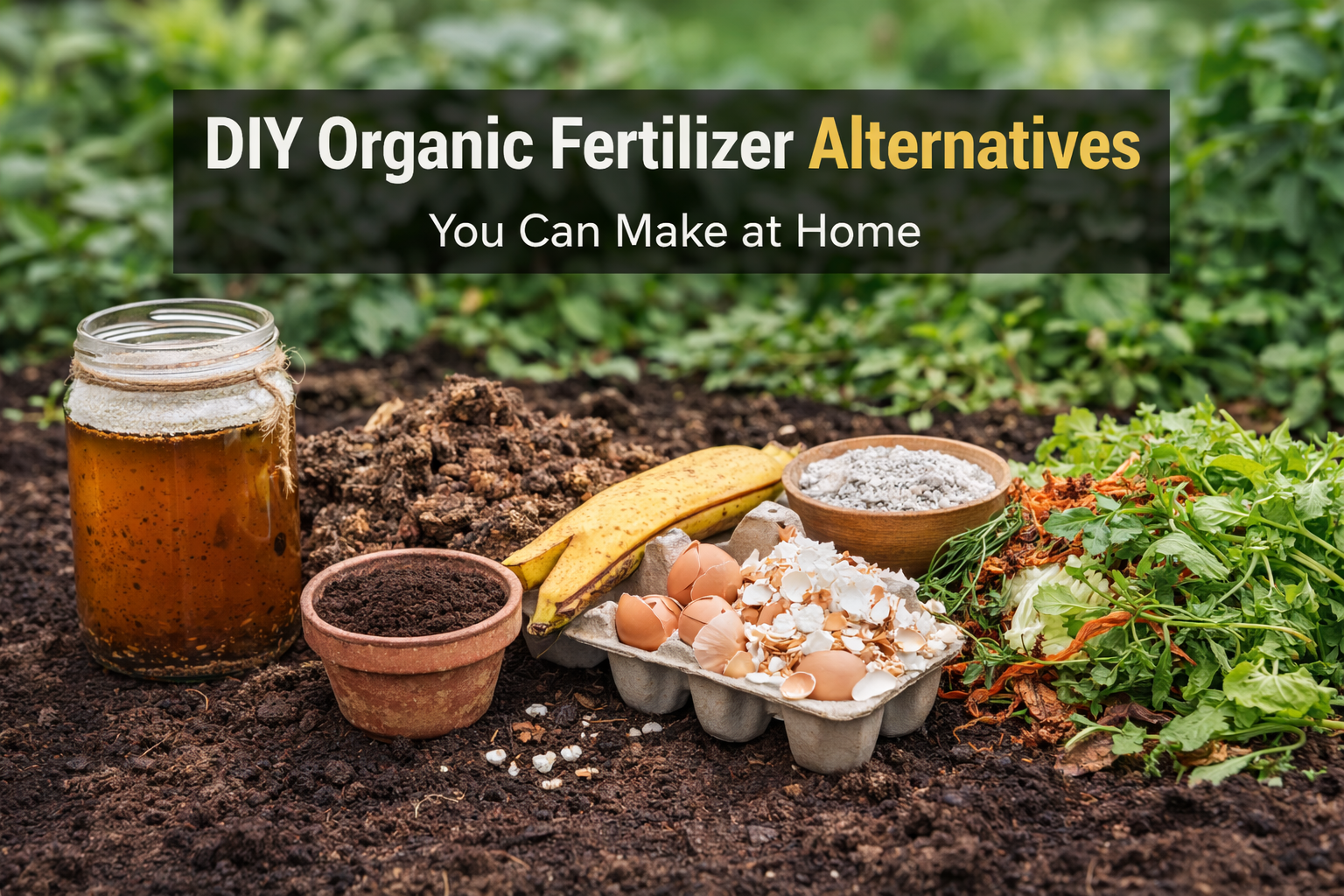
    the soil is the foundation of healthy plants. While commercial fertilizers can deliver fast results, many farmers and home gardeners are now turning to DIY organic fertilizer alternatives to improve soil health naturally, reduce costs, and grow safer food.

    The good news? You don’t need expensive products or complicated tools. Many effective homemade organic fertilizers can be made using everyday household and farm waste.

    In this complete guide, you’ll learn how to make the best natural fertilizer for plants at home, when to use it, and how they support long-term soil fertility.


    Why Choose DIY Organic Fertilizers?

    Organic fertilizers feed the soil, not just the plant. Unlike chemical fertilizers that deliver nutrients quickly but temporarily, organic alternatives improve soil structure and microbial life over time.

    Key benefits of DIY organic fertilizers include:

    • Improved soil health and fertility
    • Lower cost compared to store-bought products
    • Reduced chemical exposure
    • Environmentally friendly nutrient recycling
    • Safer food production

    For hot, sandy soil conditions, organic fertilizers are especially valuable because they enhance moisture retention and improve nutrient availability.


    1. Compost: The Ultimate Organic Fertilizer

    Compost is one of the most powerful and balanced organic fertilizer alternatives you can make at home.

    What Compost Provides

    • Nitrogen for leaf growth
    • Phosphorus for roots
    • Potassium for plant health
    • Beneficial microbes for soil life

    How to Make Compost at Home

    Mix the following materials:

    • Green waste (vegetable peels, grass clippings)
    • Brown waste (dry leaves, cardboard, straw)
    • Small amount of soil or old compost

    Turn the pile every 1–2 weeks and keep it slightly moist. In 2–3 months, you’ll have nutrient-rich compost ready for use.


    2. Compost Tea: Fast-Acting Liquid Nutrition

    Compost tea is a liquid organic fertilizer that delivers nutrients quickly while promoting the growth of beneficial microorganisms.

    How to Make Compost Tea

    • Fill a bucket with water
    • Add a handful of compost
    • Let it steep for 12–24 hours
    • Stir occasionally

    Use compost tea to water plants at the base or as a foliar spray for rapid nutrient absorption.


    3. Banana Peel Fertilizer (Potassium Boost)

    Banana peels are a powerful natural source of potassium, which supports flowering, fruit development, and disease resistance.

    How to Use Banana Peels as Fertilizer

    • Chop peels and bury them near plant roots
    • Dry and grind peels into powder
    • Soak peels in water to make banana tea

    This DIY organic fertilizer works especially well for tomatoes, peppers, and flowering plants.


    4. Eggshell Fertilizer for Calcium

    Calcium deficiency is a common issue in many soils and can lead to problems like blossom end rot. Eggshells are an excellent organic calcium source.

    How to Prepare Eggshell Fertilizer

    • Rinse eggshells thoroughly
    • Dry them completely
    • Crush into a fine powder

    Mix the powder into soil or compost to strengthen plant cell walls and improve root development.


    5. Coffee Grounds: Nitrogen-Rich Soil Booster

    Used coffee grounds are a great nitrogen-rich organic fertilizer when applied correctly.

    Best Uses for Coffee Grounds

    • Mix into compost piles
    • Add small amounts directly to soil
    • Use for acid-loving plants

    Avoid overuse, as excessive coffee grounds can affect soil pH.


    6. Animal Manure (Well-Composted Only)

    Animal manure is one of the oldest and most effective organic fertilizers.

    Safe Manure Options

    • Cow manure
    • Sheep manure
    • Chicken manure (high nitrogen use carefully)

    Always compost manure before application to avoid burning plants and spreading pathogens.


    7. Green Manure and Cover Crops

    Green manure involves growing plants specifically to improve soil fertility.

    Common Green Manure Crops

    • Legumes (fix nitrogen)
    • Alfalfa
    • Mustard plants

    These plants are later turned into the soil, enriching it naturally.


    8. Wood Ash: Potassium and pH Support

    Wood ash from untreated wood provides potassium and trace minerals.

    How to Use Wood Ash Safely

    • Apply sparingly
    • Avoid use on acidic-loving plants
    • Mix thoroughly into the soil

    Wood ash is best suited for neutral to acidic soils.


    How to Choose the Right DIY Organic Fertilizer

    Not all fertilizers work the same way. Choose based on your plant’s needs:

    • Leafy growth: Compost, coffee grounds
    • Flowering & fruiting: Banana peels, wood ash
    • Root strength: Eggshells, compost

    Combining multiple organic fertilizers often delivers the best results.


    Common Mistakes to Avoid

    • Overapplying organic fertilizers
    • Using fresh manure directly
    • Ignoring soil testing
    • Expecting instant results

    Organic fertilizers work gradually but sustainably.


    Final Thoughts: Build Healthy Soil Naturally

    Using DIY organic fertilizer alternatives is one of the most effective ways to improve soil health, reduce farming costs, and grow stronger plants naturally.

    By recycling organic waste and understanding plant nutrition, you can create a self-sustaining system that benefits both crops and the environment.

    Healthy soil today means better harvests tomorrow.

  • How to Read Fertilizer Labels Like a Pro: A Complete Guide for Farmers & Gardeners

    How to Read Fertilizer Labels Like a Pro: A Complete Guide for Farmers & Gardeners

    Choosing the right fertilizer can make the difference between healthy, high-yield crops and disappointing results. Yet many farmers and gardeners struggle with one critical step: understanding fertilizer labels.

    If you’ve ever looked at a fertilizer bag and felt confused by numbers like 20-20-20 or terms such as micronutrients, slow release, or chelated minerals, you’re not alone. In this guide, you’ll learn how to read fertilizer labels like a pro, so you can make confident, informed decisions for your crops and soil.

    This article breaks everything down in simple language, no guesswork, no jargon.


    Why Understanding Fertilizer Labels Is So Important

    Fertilizer labels are not just marketing; they are legally required information that tells you exactly what nutrients you’re applying to your soil. Misreading them can lead to:

    • Over-fertilization that damages crops
    • Nutrient deficiencies that limit plant growth
    • Wasted money on unsuitable products
    • Long-term soil health problems

    When you understand fertilizer labels, you can:

    • Match nutrients to specific crops
    • Improve yield and plant health
    • Apply fertilizers safely and efficiently
    • Choose the best products for UAE soil conditions

    The NPK Ratio: The Most Important Part of a Fertilizer Label

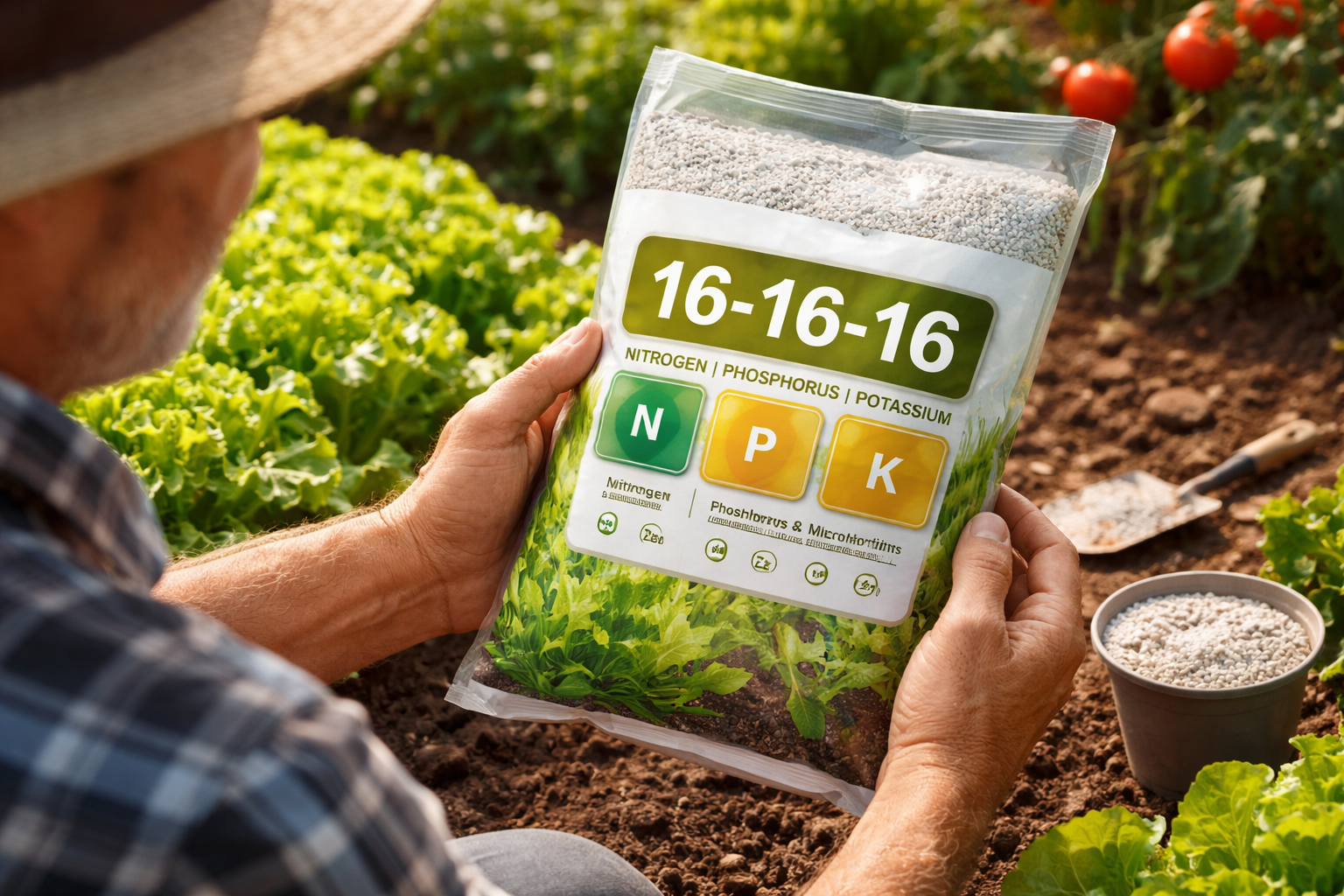
    The first thing you’ll notice on any fertilizer label is a set of three numbers, such as 10-10-10 or 15-5-30. This is known as the NPK ratio.

    What Do NPK Numbers Mean?

    • N (Nitrogen) – Supports leaf growth and green color
    • P (Phosphorus) – Encourages root development and flowering
    • K (Potassium) – Improves overall plant health, fruit quality, and stress resistance

    For example, a fertilizer labeled 20-20-20 contains:

    • 20% Nitrogen
    • 20% Phosphorus
    • 20% Potassium

    The remaining percentage consists of fillers and other beneficial ingredients.


    Choosing the Right NPK Ratio for Your Crops

    Different crops have different nutrient needs. Reading the fertilizer label allows you to choose the right balance.

    • Leafy vegetables (lettuce, spinach): Higher nitrogen
    • Root crops (carrots, potatoes): Higher phosphorus
    • Fruit-bearing plants (tomatoes, cucumbers): Higher potassium

    Using the wrong NPK ratio may result in lush leaves but poor fruiting or strong roots but weak growth.


    Understanding Secondary Nutrients on Fertilizer Labels

    Beyond NPK, professional fertilizer labels list secondary nutrients that are essential for plant health.

    Common Secondary Nutrients

    • Calcium (Ca) – Strengthens cell walls and prevents blossom end rot
    • Magnesium (Mg) – Essential for photosynthesis
    • Sulfur (S) – Supports protein formation

    In UAE soils, calcium and magnesium deficiencies are common, making this section of the label especially important.


    Micronutrients: Small Amounts, Big Impact

    Micronutrients are required in smaller quantities, but they play a critical role in plant development.

    Common Micronutrients You’ll See on Labels

    • Iron (Fe)
    • Zinc (Zn)
    • Manganese (Mn)
    • Boron (B)
    • Copper (Cu)

    Look for words like “chelated iron”—this means the nutrient is easier for plants to absorb, especially in alkaline soils common in the region.


    Organic vs Chemical Fertilizers: How Labels Differ

    Fertilizer labels also tell you whether a product is organic or synthetic.

    Organic Fertilizer Labels

    • Nutrients are released slowly
    • Improve soil structure
    • Lower nutrient percentages

    Chemical Fertilizer Labels

    • Fast nutrient availability
    • Higher NPK values
    • Precise nutrient control

    Understanding this distinction helps you choose the right product for long-term soil health versus quick results.


    Slow-Release vs Water-Soluble Fertilizers

    Most professional fertilizer labels specify how nutrients are released.

    • Slow-release fertilizers feed plants over weeks or months
    • Water-soluble fertilizers act quickly and are ideal for rapid correction

    For high temperatures and sandy soils, slow-release fertilizers help reduce nutrient loss.


    Application Instructions: Don’t Skip This Section

    Every fertilizer label includes application rates and methods. Ignoring this section can damage crops.

    Look for:

    • Recommended dosage per plant or per area
    • Application frequency
    • Safety precautions

    More fertilizer does not mean better results. Precision is key.


    How to Match Fertilizer Labels with Soil Test Results

    The best way to use fertilizer labels like a professional is to combine them with soil testing.

    If your soil test shows low potassium, choose a fertilizer with a higher K value. If nitrogen is already high, avoid nitrogen-heavy products.

    This approach saves money and protects soil health.


    Common Mistakes People Make When Reading Fertilizer Labels

    • Choosing fertilizer based on brand instead of nutrients
    • Ignoring micronutrients
    • Over-applying high-N fertilizers
    • Not considering soil type and climate

    A professional approach always starts with the label, not the marketing.


    Final Thoughts: Become a Smarter Fertilizer Buyer

    Learning how to read fertilizer labels empowers you to make smarter decisions for your crops, garden, and soil. With the right knowledge, you can improve yields, reduce waste, and maintain long-term soil fertility.

    Whether you’re managing a farm or maintaining a home garden, understanding fertilizer labels is one of the most valuable skills you can develop.