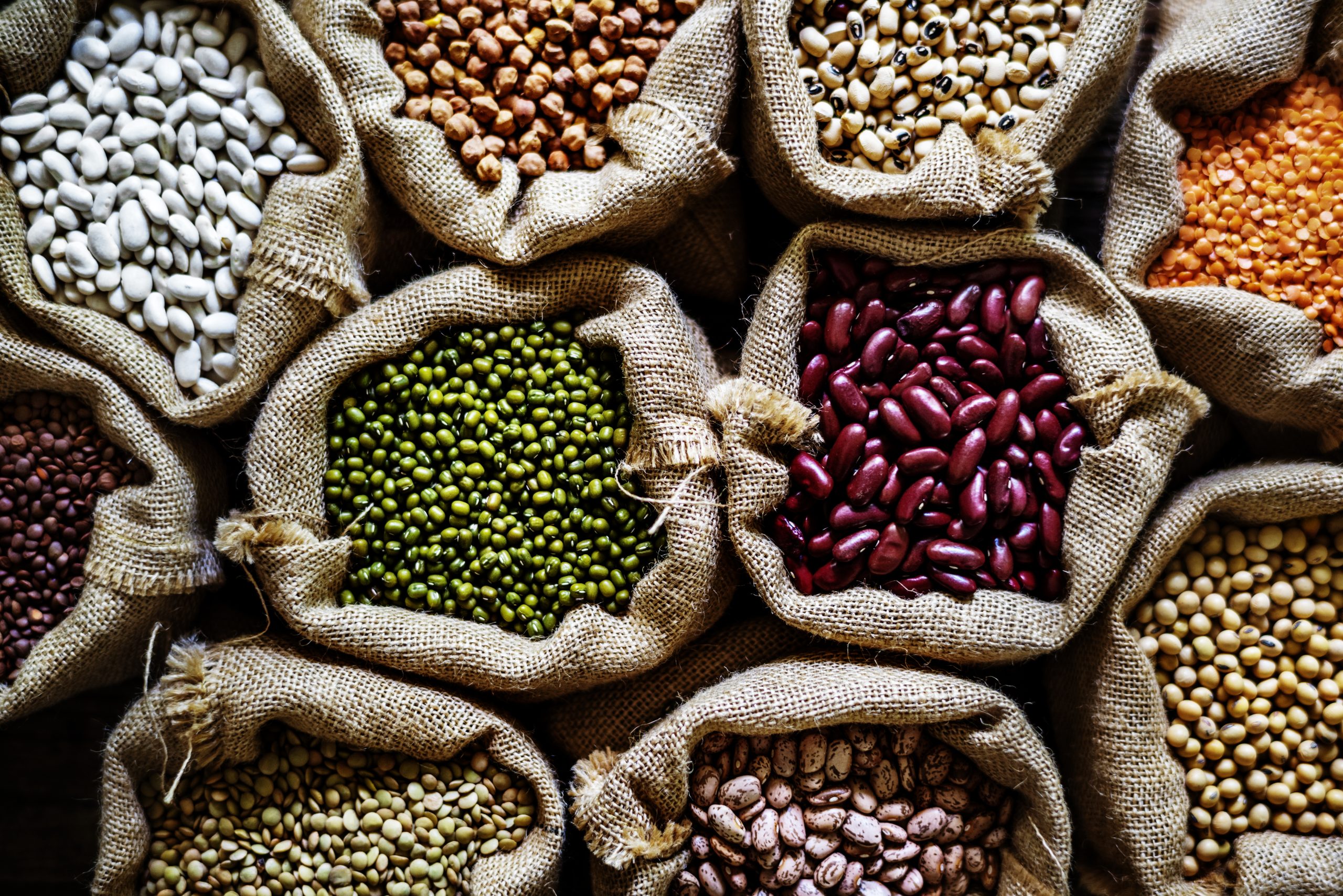
What Exactly is a Seed?
The Anatomy of a Seed: Three Core Components
To understand how seeds work, we must look inside. Every seed consists of three primary parts:
1. The Embryo
The embryo is the “baby plant.” It contains the precursor tissues for the leaves (cotyledons), the stem (hypocotyl), and the root (radicle). Once germination begins, the embryo expands and breaks through the seed coat.
2. The Endosperm
The endosperm acts as a nutritional warehouse. Since the seed is buried underground and cannot yet perform photosynthesis, it relies on the stored fats, proteins, and carbohydrates in the endosperm to fuel its initial growth. In some seeds, like beans, this food is stored directly in the cotyledons.
3. The Seed Coat (Testa)
The seed coat is the first line of defense. It protects the delicate embryo from mechanical injury, parasites, and extreme temperatures. Some seed coats are so tough that they must be scratched or burned (scarification) before they can germinate.
The Process of Germination: How Seeds Wake Up
Germination is the process by which a seed develops into a new plant. This process doesn’t happen by accident; it requires specific environmental triggers.
- Water: The seed must absorb water (imbibition) to activate enzymes.
- Oxygen: Required for aerobic respiration to produce energy for growth.
- Temperature: Most seeds have an “optimal” temperature range; some need the cold of winter to trigger spring growth (stratification).
- Light: Some seeds need light to germinate, while others require total darkness.
Types of Seeds: Angiosperms vs. Gymnosperms
In the plant kingdom, seeds are generally categorized into two main groups based on how they are produced.
Angiosperms (Flowering Plants)
Angiosperms produce seeds that are enclosed within a fruit. These are the most diverse group of plants on Earth. Angiosperms are further divided into:
- Monocots: Seeds with one embryonic leaf (e.g., corn, wheat, lilies).
- Dicots: Seeds with two embryonic leaves (e.g., beans, oaks, tomatoes).
Gymnosperms (Naked Seeds)
Gymnosperms, such as pines and firs, produce “naked” seeds. They are usually found on the scales of cones and are not protected by a fruit. These plants were among the first to evolve the seed strategy millions of years ago.
The Incredible Diversity of Seed Dispersal
Because plants cannot walk, they have evolved ingenious ways to move their seeds to new locations. This prevents the “mother” plant from competing with its offspring for sunlight and nutrients.
Wind Dispersal
Dandelions and maple trees use the wind. Dandelion seeds have parachute-like structures, while maple seeds have “wings” that allow them to helicopter away from the parent tree.
Water Dispersal
Coconuts are the most famous example of water dispersal. They are buoyant and can float across entire oceans to reach new islands.
Animal Dispersal
Many seeds are “hitchhikers.” They have hooks or barbs (like burrs) that stick to animal fur. Others are encased in delicious fruit; animals eat the fruit and deposit the seeds elsewhere in their droppings, which also provides a convenient dose of fertilizer.
The Importance of Seeds in Human History
Human civilization as we know it would not exist without seeds. The “Neolithic Revolution” occurred when humans stopped foraging and started saving and planting seeds from wild grains like wheat and barley.
Today, seeds are the foundation of the global food supply. Three specific seeds, rice, wheat, and corn, provide more than 50% of the calories consumed by the entire human population. Beyond food, seeds are used for oils (sunflower, canola), fibers (cotton), and even medicines.
Seed Saving and Biodiversity
In recent years, there has been a growing movement toward “seed saving.” Historically, farmers saved seeds from their best crops every year. However, the rise of industrial agriculture led to the dominance of a few high-yield varieties, causing many heirloom varieties to disappear.
Preserving seed biodiversity is crucial for climate change adaptation. Older, heirloom seeds often have genetic traits that allow them to survive droughts or specific pests that modern hybrids might succumb to.
Projects like the Svalbard Global Seed Vault in Norway serve as a “backup drive” for the world’s plant life, storing millions of seeds in a frozen mountain to protect them against global catastrophes.
How to Store Seeds for Maximum Longevity
If you are a gardener, proper storage is the difference between a high germination rate and total failure. To keep seeds viable, you must control three factors: Heat, Humidity, and Light.
- Keep them cool: A refrigerator is an excellent place for long-term storage.
- Keep them dry: Use silica gel packets in airtight glass jars to prevent moisture buildup.
- Keep them dark: Light can damage the delicate genetic material within the seed.
Common Myths About Seeds
There is a lot of misinformation regarding seeds, especially concerning modern technology. Let’s clear some things up:
Myth 1: All store-bought seeds are GMOs.
Actually, most seeds available to home gardeners are non-GMO. Genetically modified seeds are typically sold in bulk to large-scale commercial farmers.
Myth 2: Seeds last forever.
While some seeds (like lotus) can last for centuries, most vegetable seeds have a shelf life of 2 to 5 years. Parsnips and onions, for example, lose viability very quickly.
The Future of Seeds: Technology and Climate Change
As we face a changing climate, scientists are looking at seeds to find solutions. This includes “speed breeding” and gene editing to create crops that require less water or can grow in salty soils. Furthermore, the study of seed “microbiomes,” the beneficial bacteria that live on seed coats, is a burgeoning field that could reduce our reliance on chemical fertilizers.
Conclusion: The Smallest Giant
Seeds are truly the bridge between the past and the future. Within a single tiny speck lies the blueprint for a giant tree, a field of golden wheat, or a beautiful flower garden. By understanding, protecting, and planting seeds, we ensure the health of our planet and the survival of future generations.
The next time you hold a seed in your hand, remember that you are holding a tiny, living miracle. It is a testament to billions of years of evolution and a promise of life to come.
Leave a Reply