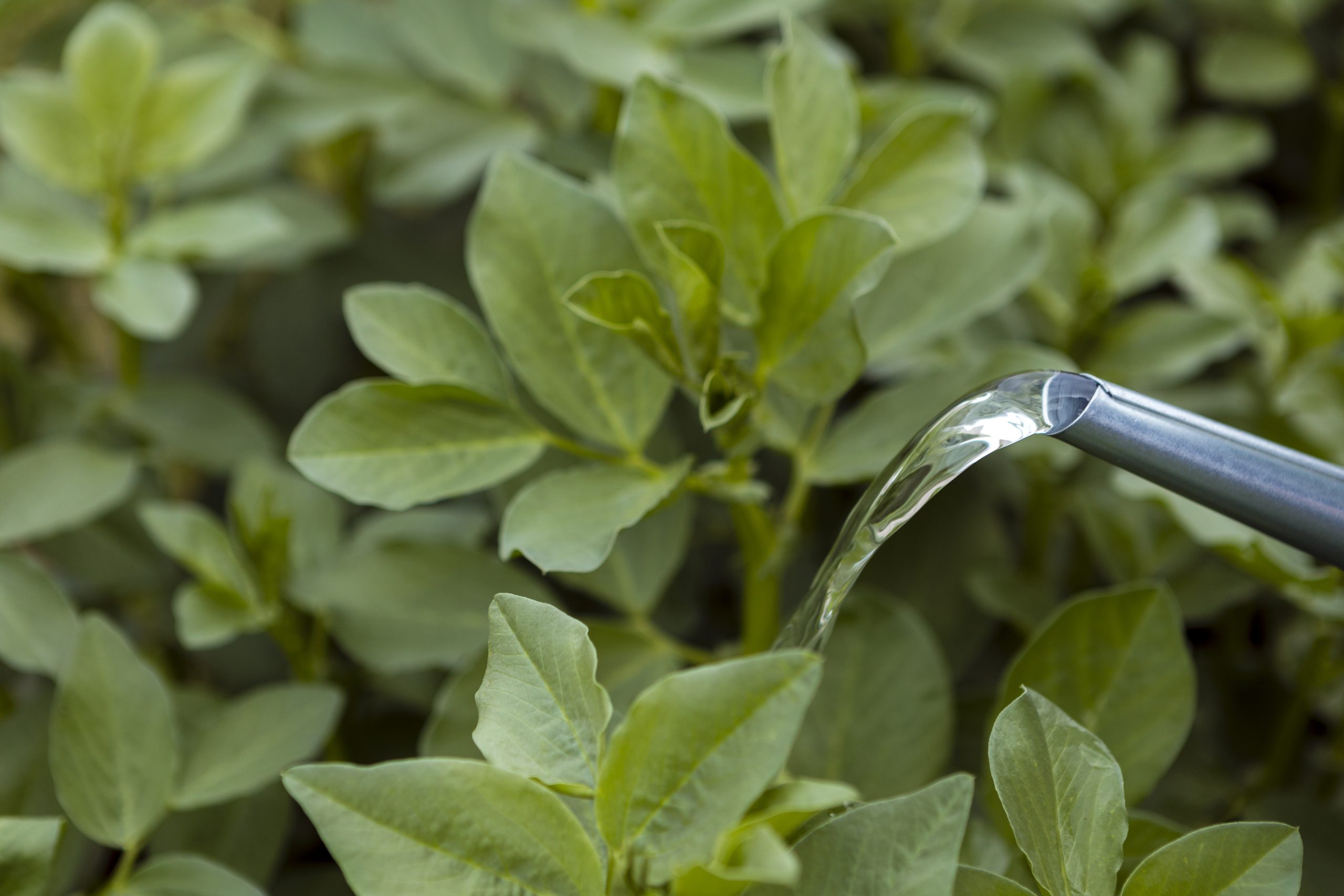
Foliar feeding is a nutrient application technique where liquid fertilizers are sprayed directly onto plant leaves. For decades, growers have debated its effectiveness; some swear by it, while others dismiss it as inefficient or even harmful when misused. The truth lies somewhere in between.
In this in-depth guide, we’ll explore when foliar feeding works exceptionally well, when it fails, and how to use it strategically for maximum plant performance. Whether you’re a home gardener, commercial farmer, or agronomist, this article will help you decide if foliar feeding deserves a place in your nutrient management plan.
What Is Foliar Feeding?
Foliar feeding is the practice of applying nutrients directly to plant foliage in the form of a liquid spray. Instead of relying solely on root uptake from the soil, nutrients enter the plant through leaf surfaces primarily via the cuticle and stomata.
This method is often used as a supplemental feeding strategy, not a replacement for soil fertilization. Foliar feeding can deliver nutrients faster than soil applications, especially when plants are under stress or experiencing nutrient deficiencies.
How Foliar Feeding Works in Plants
Leaves are not just photosynthesis factories; they can also absorb dissolved nutrients. When sprayed correctly, nutrients penetrate the waxy cuticle or enter through stomata and move into plant tissues.
Key Factors That Influence Foliar Nutrient Absorption
- Nutrient type: Micronutrients like zinc, iron, manganese, and boron are absorbed more efficiently than macronutrients.
- Leaf age: Younger leaves typically absorb nutrients more readily.
- Environmental conditions: Temperature, humidity, and light intensity affect uptake.
- Spray formulation: Chelated nutrients and surfactants improve penetration.
Because absorption occurs relatively quickly, often within hours, foliar feeding is commonly used for rapid nutrient correction.
When Foliar Feeding Is Effective
Foliar feeding is not universally effective. However, under the right conditions, it can be a powerful tool.
1. Correcting Micronutrient Deficiencies
Foliar feeding is most effective for correcting micronutrient deficiencies. Nutrients such as iron (Fe), zinc (Zn), manganese (Mn), copper (Cu), and boron (B) are required in small amounts and can be quickly absorbed through leaves.
Soil applications of micronutrients may become unavailable due to high pH, soil fixation, or antagonistic interactions. Foliar sprays bypass these soil limitations entirely.
Example: Iron chlorosis in alkaline soils responds far more effectively to foliar iron sprays than soil-applied iron fertilizers.
2. Rapid Nutrient Response Is Needed
When plants show visible deficiency symptoms during critical growth stages such as flowering or fruit set, foliar feeding provides a fast solution.
Unlike soil-applied fertilizers that require time for dissolution, root uptake, and translocation, foliar nutrients can begin working within hours.
This makes foliar feeding especially valuable in:
- High-value crops
- Vegetable production
- Orchards and vineyards
3. Stress Conditions That Limit Root Uptake
Plants under stress often struggle to absorb nutrients through roots. Common stress conditions include:
- Drought or waterlogging
- Cold soil temperatures
- Root damage from pests or diseases
- Compacted or saline soils
In these scenarios, foliar feeding acts as a nutritional “bypass,” delivering nutrients directly to plant tissues when roots are impaired.
4. Fine-Tuning Plant Nutrition
Foliar feeding is highly effective as a precision nutrition tool. Growers often use it to fine-tune nutrient levels during key physiological stages such as:
- Pre-flowering
- Fruit development
- Grain filling
When used alongside soil fertilization, foliar feeding enhances nutrient efficiency rather than replacing foundational fertility programs.
When Foliar Feeding Is NOT Effective
Despite its benefits, foliar feeding has clear limitations. Misunderstanding these can lead to poor results or crop damage.
1. Supplying Macronutrients in Large Quantities
Foliar feeding is generally ineffective for delivering large amounts of macronutrients such as nitrogen (N), phosphorus (P), and potassium (K).
Plants require these nutrients in high quantities, far exceeding what leaves can safely absorb without burn or toxicity.
While small foliar doses of nitrogen may provide temporary greening, they cannot replace soil-based macronutrient programs.
2. Poor Environmental Conditions
Environmental conditions play a major role in the success of foliar feeding. It becomes ineffective or harmful under the following conditions:
- High temperatures cause rapid evaporation
- Low humidity reduces absorption time
- Strong sunlight increases leaf burn risk
- Rain shortly after application washes nutrients away
Timing foliar sprays incorrectly often results in wasted inputs and disappointed growers.
3. Thick, Waxy, or Hairy Leaves
Plants with thick cuticles, waxy coatings, or hairy leaf surfaces absorb foliar sprays poorly. Examples include:
- Cabbage and kale
- Onions
- Succulents
In these crops, foliar feeding delivers inconsistent results compared to soil or fertigation methods.
4. As a Standalone Fertilization Strategy
One of the biggest misconceptions is using foliar feeding as a complete fertilization solution. This almost always leads to nutrient imbalances and reduced yields.
Healthy root systems and well-managed soils remain the foundation of plant nutrition.
Best Practices for Effective Foliar Feeding
To maximize results and minimize risks, follow these proven best practices.
Use the Right Nutrient Formulation
- Choose chelated micronutrients
- Avoid high salt index fertilizers
- Use recommended concentrations only
Optimize Application Timing
The best time to apply foliar sprays is:
- Early morning or late afternoon
- When temperatures are below 27°C (80°F)
- During high relative humidity
Add Surfactants Carefully
Surfactants improve leaf coverage and penetration but must be used at the correct rates. Overuse can damage leaf tissues.
Always Test Before Full Application
Conduct a small-scale spray test before treating large areas—especially when mixing multiple products.
Foliar Feeding vs Soil Fertilization
Foliar feeding and soil fertilization are not competitors—they are complementary tools.
| Aspect | Foliar Feeding | Soil Fertilization |
|---|---|---|
| Speed of response | Very fast | Slower |
| Quantity of nutrients | Low | High |
| Best for | Micronutrients | Macronutrients |
| Longevity | Short-term | Long-term |
Common Myths About Foliar Feeding
Myth 1: Foliar Feeding Replaces Soil Fertilizers
False. Foliar feeding supplements soil nutrition—it does not replace it.
Myth 2: More Spray Means Better Results
Excessive foliar application often causes leaf burn and reduced photosynthesis.
Myth 3: All Crops Respond the Same Way
Crop species, growth stage, and environment all influence foliar feeding effectiveness.
Frequently Asked Questions About Foliar Feeding
Is foliar feeding organic?
Foliar feeding can be organic or synthetic, depending on the nutrient source used.
How often should foliar feeding be done?
Typically, every 7–14 days during deficiency correction, but frequency depends on crop needs.
Can foliar feeding burn plants?
Yes. Incorrect concentration, poor timing, or harsh formulations can cause leaf injury.
Final Thoughts: When Should You Use Foliar Feeding?
Foliar feeding is most effective when used strategically, not routinely, and not as a shortcut to proper soil fertility.
If your goal is rapid correction of micronutrient deficiencies, stress recovery, or fine-tuning plant nutrition during critical growth stages, foliar feeding can deliver excellent results.
However, when misused or over-relied upon, it quickly becomes inefficient and costly.
The smartest approach? Build healthy soil first, then use foliar feeding as a precision tool, not a crutch.
Leave a Reply