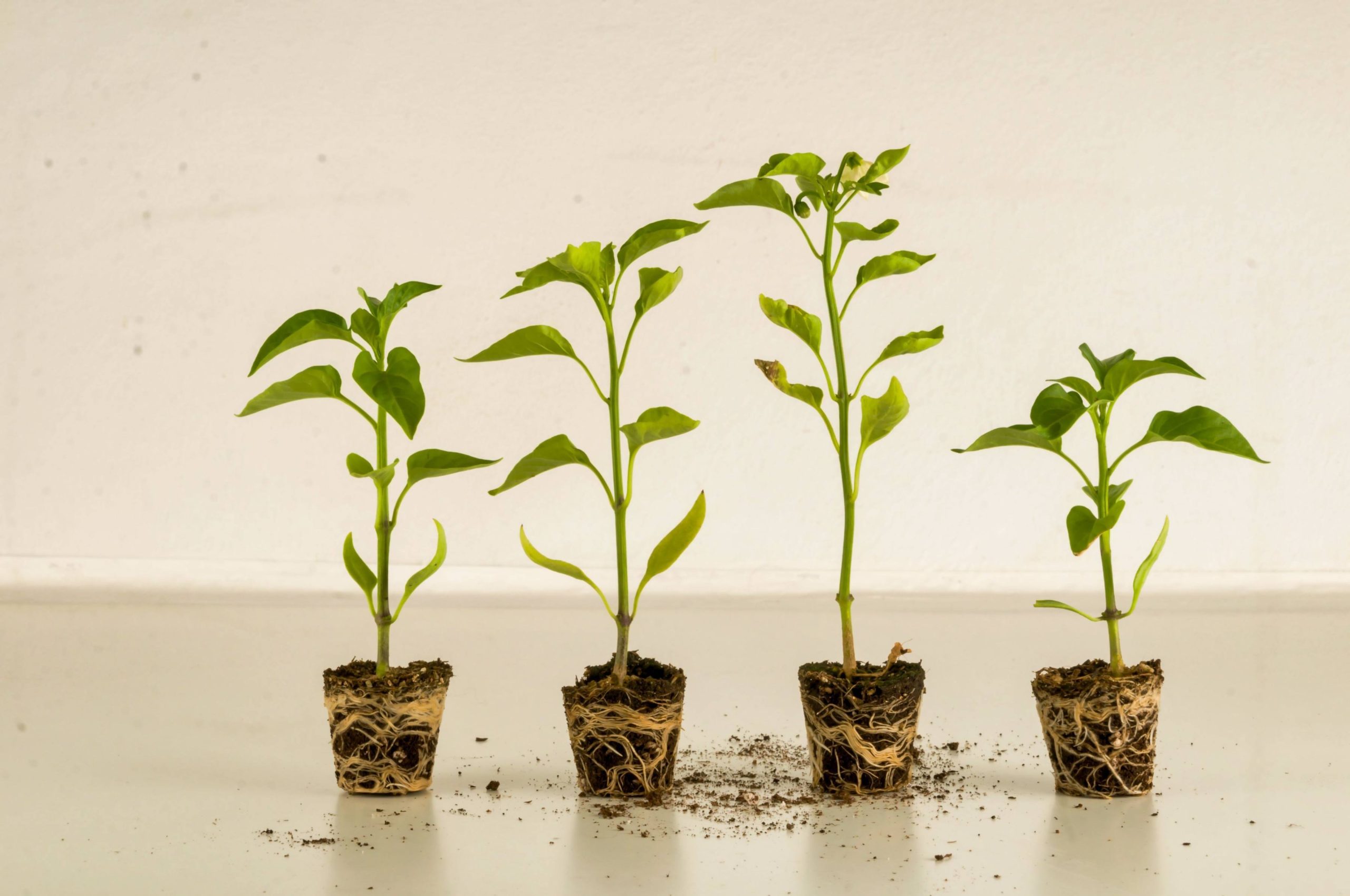
This in-depth guide explores plant growth stimulants for gardening, how they work, the science behind them, and whether they are worth using in real-world agricultural and gardening applications.
What Are Plant Growth Stimulants?
Plant growth stimulants are substances that enhance plant growth, development, or stress tolerance without acting as traditional fertilizers. Unlike fertilizers, which provide essential nutrients, growth stimulants improve how plants use those nutrients.
They are commonly used in:
- Home gardening
- Organic farming
- Commercial agriculture
- Greenhouse production
These products are also referred to as plant growth boosters, bio stimulants, or crop growth enhancers.
Types of Plant Growth Stimulants
1. Biostimulants
Biostimulants are natural or biologically derived substances that stimulate plant processes. Common examples include:
- Seaweed extracts
- Humic and fulvic acids
- Beneficial microbes
- Protein hydrolysates
These are widely used in both organic gardening and sustainable agriculture.
2. Plant Growth Regulators (PGRs)
Plant growth regulators influence specific physiological processes such as cell division, flowering, or root formation. Examples include:
- Auxins
- Cytokinins
- Gibberellins
PGRs are more common in commercial agriculture and research settings.
3. Organic Plant Growth Stimulants
Organic plant stimulants are derived from natural sources and are popular among home gardeners. These include:
- Compost teas
- Fish emulsions
- Vermicompost extracts
They support soil health while promoting plant vigor.
How Do Plant Growth Stimulants Work?
Plant growth stimulants do not replace fertilizers. Instead, they enhance plant efficiency by improving nutrient uptake, root development, and stress tolerance.
Key mechanisms include:
- Stimulating root growth for better nutrient absorption
- Enhancing microbial activity in the soil
- Improving plant resistance to drought and heat stress
- Boosting photosynthesis efficiency
This makes them especially useful in poor soils or stressful growing conditions.
Scientific Evidence: Do Plant Growth Stimulants Really Work?
Research shows that plant growth stimulants can be effective, but results vary depending on the product, crop type, and application method.
Studies on biostimulants in agriculture indicate benefits such as:
- Improved root mass and plant vigor
- Increased tolerance to abiotic stress
- Moderate yield improvements
However, they are not miracle solutions. Growth stimulants work best when used as part of a balanced nutrient and soil management plan.
Benefits of Using Plant Growth Stimulants
1. Improved Root Development
Stronger roots allow plants to access water and nutrients more efficiently, leading to healthier growth.
2. Enhanced Stress Resistance
Growth stimulants help plants cope with drought, temperature extremes, and transplant shock.
3. Better Nutrient Efficiency
Plants use available nutrients more effectively, reducing waste and input costs.
4. Increased Crop Uniformity
Consistent growth improves crop appearance and harvest timing, especially in market gardening.
Limitations and Misconceptions
While plant growth stimulants offer benefits, there are important limitations to consider.
- They cannot fix severe nutrient deficiencies
- Overuse may lead to diminishing returns
- Results depend heavily on soil health
Marketing claims often exaggerate results, so expectations should remain realistic.
Plant Growth Stimulants vs Fertilizers
Understanding the difference between stimulants and fertilizers is crucial.
| Aspect | Growth Stimulants | Fertilizers |
|---|---|---|
| Main Function | Enhance plant processes | Supply nutrients |
| Nutrient Content | Low or none | High |
| Best Use | Supporting growth & stress tolerance | Correcting nutrient deficiencies |
How to Use Plant Growth Stimulants Effectively
To get the best results, follow these best practices:
- Start with healthy soil
- Follow recommended application rates
- Use during key growth stages
- Combine with proper fertilization
Timing and consistency matter more than product quantity.
Are Plant Growth Stimulants Worth It for Gardeners?
For home gardeners, plant growth stimulants for gardening can be beneficial when used correctly. They are especially useful for:
- Transplants and seedlings
- Container gardening
- Organic and low-input systems
Gardeners seeking faster growth or healthier plants may see noticeable improvements, particularly in challenging conditions.
Applications in Agriculture and Research
In agriculture, plant growth stimulants are increasingly used to support sustainable production. Academic research focuses on improving product consistency and understanding long-term soil impacts.
As regulations evolve, biostimulants are gaining recognition as tools for climate-resilient farming.
Future of Plant Growth Stimulants
The future of plant growth stimulants lies in precision agriculture and data-driven applications. Innovations include:
- Microbial-based formulations
- Crop-specific stimulants
- Integration with smart farming systems
These advancements aim to improve reliability and scalability.
Conclusion: Do Plant Growth Stimulants Really Work?
So, do plant growth stimulants really work? The answer is yes when used correctly. They are not substitutes for good soil, proper nutrition, or sound farming practices.
For gardeners and farmers alike, plant growth stimulants for gardening can be valuable tools to enhance plant performance, improve stress tolerance, and support sustainable growth when integrated thoughtfully into overall management strategies.
Leave a Reply