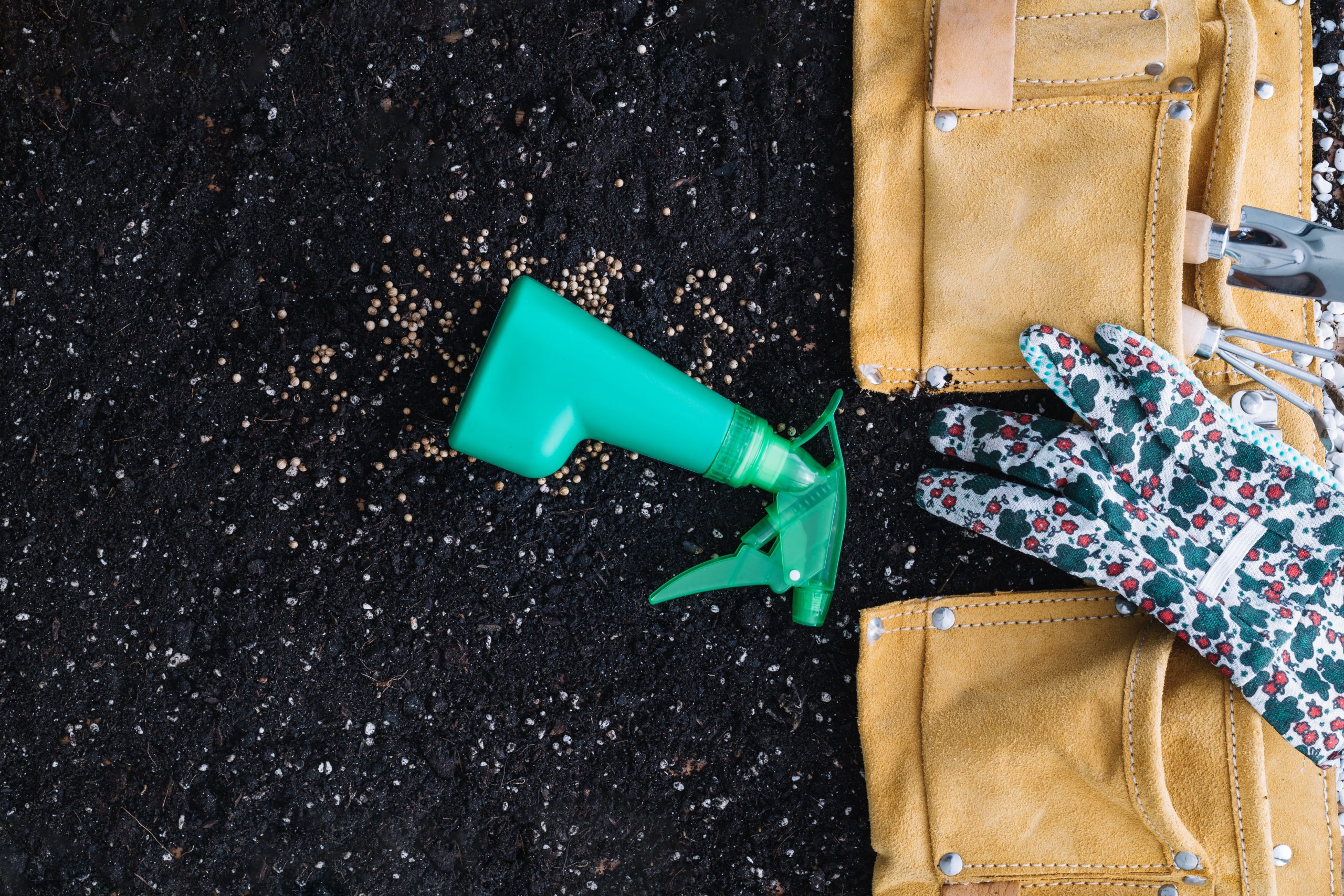
Choosing the right fertilizer can significantly impact plant health, crop yield, and long-term soil quality. One of the most common questions gardeners and farmers ask is: liquid fertilizer vs granular fertilizer for vegetable gardens, which is better? While both types provide essential nutrients, they differ in application method, nutrient release speed, cost, and effectiveness for different growing conditions.
This in-depth guide compares liquid and granular fertilizers, breaks down their advantages and disadvantages, and helps you decide which option best suits your gardening or agricultural needs.
Understanding Fertilizers: A Quick Overview
Fertilizers supply plants with vital nutrients such as nitrogen (N), phosphorus (P), and potassium (K), commonly referred to as NPK. These nutrients support leaf growth, root development, flowering, and fruit production.
Fertilizers are generally available in two primary forms:
- Liquid fertilizers – nutrients dissolved in water
- Granular fertilizers – dry pellets or granules applied to soil
Each form interacts differently with soil, plants, and watering schedules, which directly affects nutrient uptake.
What Is Liquid Fertilizer?
Liquid fertilizer is a water-soluble nutrient solution that can be applied directly to soil or sprayed onto plant leaves (foliar feeding). It is commonly used in vegetable gardens, greenhouses, and commercial agriculture where rapid nutrient absorption is required.
Types of Liquid Fertilizers
- Synthetic liquid fertilizers
- Organic liquid fertilizers (fish emulsion, seaweed extract, compost tea)
- Concentrated liquids requiring dilution
Pros of Liquid Fertilizers
1. Fast Nutrient Absorption
Liquid fertilizers provide immediate nutrient availability. Plants absorb nutrients quickly through roots or leaves, making them ideal for correcting deficiencies and supporting rapid growth.
2. Even Nutrient Distribution
When applied properly, liquid fertilizers spread evenly across soil or foliage, reducing the risk of nutrient imbalance.
3. Ideal for Vegetable Gardens
Vegetable crops often have high nutrient demands during the flowering and fruiting stages. Liquid fertilizers allow precise feeding during critical growth phases.
4. Flexible Application Methods
Liquid fertilizers can be applied via watering cans, hose-end sprayers, drip irrigation systems, or foliar sprays.
5. Better Control Over Dosage
Gardeners can easily adjust fertilizer strength, making liquid options suitable for seedlings, container plants, and sensitive crops.
Cons of Liquid Fertilizers
1. Frequent Application Required
Because nutrients are released quickly, liquid fertilizers must be applied more often, increasing labor and time investment.
2. Higher Long-Term Cost
Although affordable upfront, repeated applications can make liquid fertilizers more expensive over a full growing season.
3. Risk of Overfeeding
Incorrect dilution or excessive application may cause nutrient burn, especially with synthetic formulations.
4. Limited Soil Improvement
Most liquid fertilizers focus on feeding plants rather than improving soil structure or microbial activity.
What Is Granular Fertilizer?
Granular fertilizer consists of dry pellets that slowly release nutrients into the soil over time. It is commonly used in large gardens, lawns, farms, and landscape applications.
Types of Granular Fertilizers
- Fast-release granular fertilizers
- Slow-release or controlled-release fertilizers
- Organic granular fertilizers (bone meal, blood meal, compost-based blends)
Pros of Granular Fertilizers
1. Long-Lasting Nutrient Supply
Granular fertilizers release nutrients gradually, providing consistent feeding over weeks or months.
2. Cost-Effective for Large Areas
For vegetable plots, farms, or raised beds, granular fertilizers are often more economical than liquid alternatives.
3. Improved Soil Health
Organic granular fertilizers enhance soil structure, boost microbial activity, and improve water retention.
4. Less Frequent Application
Once applied, granular fertilizers require minimal follow-up, making them ideal for low-maintenance gardens.
5. Lower Risk of Nutrient Burn
Slow-release formulas reduce the chance of fertilizer burn when applied correctly.
Cons of Granular Fertilizers
1. Slower Nutrient Availability
Granular fertilizers depend on moisture and microbial activity to release nutrients, delaying plant uptake.
2. Uneven Distribution Risk
Improper spreading may result in nutrient hotspots or deficiencies.
3. Not Ideal for Quick Fixes
Granular fertilizers are ineffective for correcting immediate nutrient deficiencies.
4. Requires Soil Incorporation
Granules often need to be watered in or mixed into soil, increasing effort during application.
Liquid Fertilizer vs Granular Fertilizer: Side-by-Side Comparison
| Factor | Liquid Fertilizer | Granular Fertilizer |
|---|---|---|
| Nutrient Release | Fast | Slow to moderate |
| Application Frequency | High | Low |
| Cost Over Time | Higher | Lower |
| Ease of Use | Moderate | Easy |
| Soil Health Benefits | Limited | High (organic types) |
Which Fertilizer Is Best for Vegetable Gardens?
The best fertilizer depends on your gardening goals, crop type, and maintenance preferences.
- Choose liquid fertilizer if you want fast growth, quick nutrient correction, or intensive vegetable production.
- Choose granular fertilizer if you prefer long-term feeding, soil health improvement, and reduced labor.
Many experienced gardeners use a combined approach: granular fertilizer for baseline nutrition and liquid fertilizer during peak growth stages.
Liquid vs Granular Fertilizer for Agriculture and Commercial Use
In large-scale agriculture, fertilizer selection often depends on irrigation systems, crop cycles, and soil testing results.
Liquid fertilizers integrate well with fertigation systems, while granular fertilizers are ideal for pre-plant soil conditioning.
Frequently Asked Questions
Is liquid fertilizer better than granular fertilizer?
Neither is universally better. Liquid fertilizer offers fast results, while granular fertilizer provides long-term feeding.
Can I use both liquid and granular fertilizers together?
Yes. Combining both methods often delivers optimal plant nutrition and soil health.
Which fertilizer is best for organic vegetable gardens?
Organic granular fertilizers improve soil health, while organic liquid fertilizers support rapid nutrient uptake.
Final Verdict: Liquid Fertilizers vs Granular Fertilizers
When comparing liquid fertilizer vs granular fertilizer for vegetable gardens, the right choice depends on timing, crop needs, and management style. Liquid fertilizers excel in speed and precision, while granular fertilizers provide stability and soil enrichment.
For most gardeners and farmers, using both strategically throughout the growing season delivers the best results: healthier plants, higher yields, and improved soil sustainability.
Leave a Reply