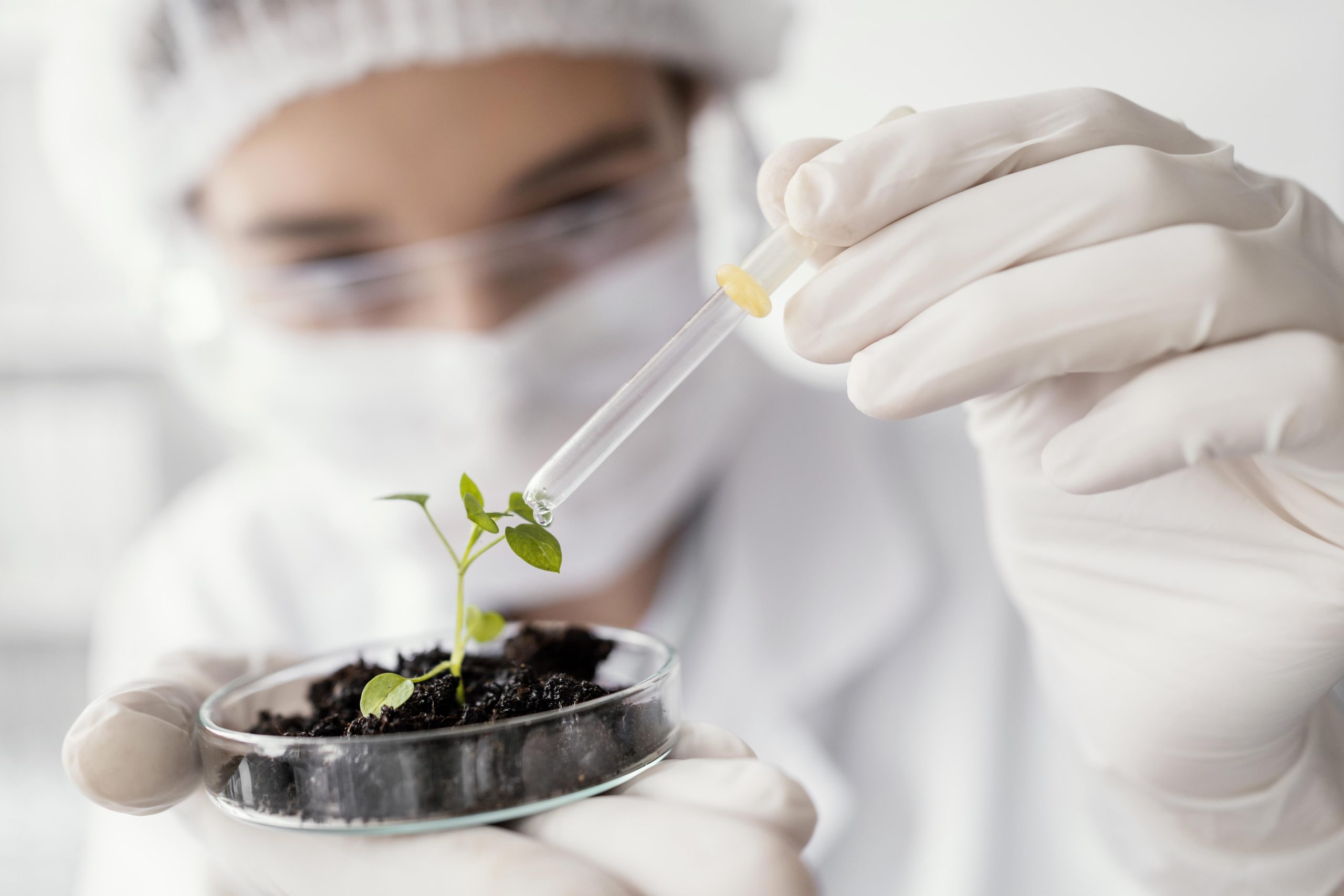
Farmers and gardeners often struggle with maintaining soil fertility without relying heavily on chemical fertilizers. Fortunately, nature provides a powerful solution: microbial activity. Soil microbes play a crucial role in recycling nutrients, enhancing plant growth, and improving soil structure, offering a sustainable way to boost fertility naturally.
In this guide, you will discover natural ways to improve soil fertility, the role of beneficial soil microbes, and practical strategies to enhance microbial soil health for thriving gardens and farms.
Table of Contents
- What Is Microbial Activity in Soil?
- Beneficial Soil Microbes
- How Microbes Improve Soil Fertility
- Microbes and Soil Structure
- Boosting Plant Growth Naturally
- Disease Prevention Through Microbial Activity
- Practical Tips to Enhance Microbial Soil Health
- Microbes in Sustainable Agriculture and Gardening
- Conclusion
What Is Microbial Activity in Soil?
Microbial activity refers to the biological processes performed by microorganisms in the soil, including bacteria, fungi, protozoa, and actinomycetes. These tiny organisms form a complex ecosystem known as the soil food web, which supports plant growth by decomposing organic matter and cycling nutrients.
One teaspoon of healthy soil can contain billions of microbes. These organisms interact with plant roots, breaking down nutrients and making them accessible. Without microbial activity, soil would remain nutrient-poor, compacted, and incapable of sustaining healthy crops.
Beneficial Soil Microbes
Bacteria
Bacteria in the soil decompose organic material and recycle nutrients like nitrogen, phosphorus, and potassium. Nitrogen-fixing bacteria, such as Rhizobium, supply plants with essential nitrogen naturally, reducing the need for synthetic fertilizers.
Fungi
Mycorrhizal fungi form symbiotic relationships with plant roots, extending their reach into the soil. This helps plants access water and nutrients efficiently while improving soil aggregation and resilience.
Protozoa and Nematodes
Protozoa and beneficial nematodes feed on bacteria and fungi, releasing nutrients like nitrogen into the soil. This process, called nutrient mineralization, enhances nutrient availability for plants.
Actinomycetes
Actinomycetes decompose tough organic matter, such as cellulose and lignin, creating humus and contributing to long-term soil fertility.
How Microbes Improve Soil Fertility
Microbial activity naturally improves soil fertility by cycling nutrients and enhancing nutrient availability. Organic matter, such as compost, manure, and plant residues, provides food for microbes. As they break down this material, they release essential nutrients:
- Nitrogen (N)
- Phosphorus (P)
- Potassium (K)
- Calcium (Ca)
- Magnesium (Mg)
These nutrients become available in forms plants can absorb. Without microbial activity, much of the nutrients in organic matter would remain locked and inaccessible. Nitrogen-fixing bacteria, phosphorus-solubilizing microbes, and potassium-solubilizing microbes all play key roles in naturally improving soil fertility.
Microbes and Soil Structure
Microbial activity is essential for improving soil structure. As microbes digest organic matter, they produce sticky compounds, like polysaccharides and glomalin, which bind soil particles together. This forms stable aggregates that improve:
- Water retention and drainage
- Root penetration
- Oxygen availability in the soil
- Resistance to erosion
Fungi, especially mycorrhizal species, create extensive hyphal networks that physically stabilize soil. Well-aggregated soil is critical for gardeners and farmers aiming to boost yields naturally.
Boosting Plant Growth Naturally
Microbial soil activity supports plant growth by improving nutrient uptake and producing growth-stimulating compounds. Plant growth-promoting rhizobacteria (PGPR) colonize plant roots and enhance development by:
- Producing natural plant hormones like auxins and gibberellins
- Improving root structure and nutrient absorption
- Increasing tolerance to drought and soil salinity
- Boosting photosynthesis efficiency
By enhancing root systems and nutrient availability, microbial activity helps plants grow stronger, healthier, and more productive without chemical fertilizers.
Disease Prevention Through Microbial Activity
Beneficial microbes can naturally suppress soil-borne diseases. They compete with harmful pathogens for nutrients and space, and some produce antibiotics and enzymes that inhibit pathogen growth. Microbial diversity also activates plant immune systems, helping crops resist diseases naturally.
Gardens and farms with rich microbial life often experience disease-suppressive soils, reducing the need for chemical pesticides and creating healthier ecosystems.
Practical Tips to Enhance Microbial Soil Health
Here are actionable ways to boost microbial activity and naturally improve soil fertility:
1. Add Organic Matter
Compost, mulch, green manures, and crop residues feed beneficial microbes, stimulating their activity and growth.
2. Minimize Tillage
Excessive tilling destroys fungal networks and microbial habitats. Use conservation tillage or no-till methods to protect soil life.
3. Reduce Chemical Inputs
Avoid overuse of synthetic fertilizers and pesticides. Organic fertilizers and integrated pest management preserve microbial health.
4. Maintain Soil Moisture
Microbes need water to thrive. Mulching and efficient irrigation maintain optimal moisture for microbial growth.
5. Rotate Crops and Use Cover Crops
Crop rotation and cover crops provide diverse food sources for microbes and reduce pest and disease pressure.
Microbes in Sustainable Agriculture and Gardening
In sustainable agriculture and gardening, microbial activity is the foundation of long-term soil fertility. Healthy microbial populations:
- Reduce the need for chemical fertilizers
- Enhance soil carbon sequestration
- Increase resilience to climate stress
- Support higher yields and plant health naturally
By managing soil biologically, farmers and gardeners can build ecosystems that are productive, resilient, and environmentally friendly. Supporting microbial life is an investment in sustainable soil fertility for generations.
Conclusion
Understanding how microbial activity improves soil fertility naturally empowers gardeners and farmers to cultivate healthier, more productive soils. Beneficial microbes cycle nutrients, enhance soil structure, boost plant growth, and prevent diseases, offering a sustainable alternative to chemical inputs.
By implementing practices such as adding organic matter, reducing tillage, maintaining moisture, and using cover crops, you can enhance microbial soil health and achieve long-term soil fertility naturally. Investing in microbes is investing in the future of your garden or farm.
Leave a Reply